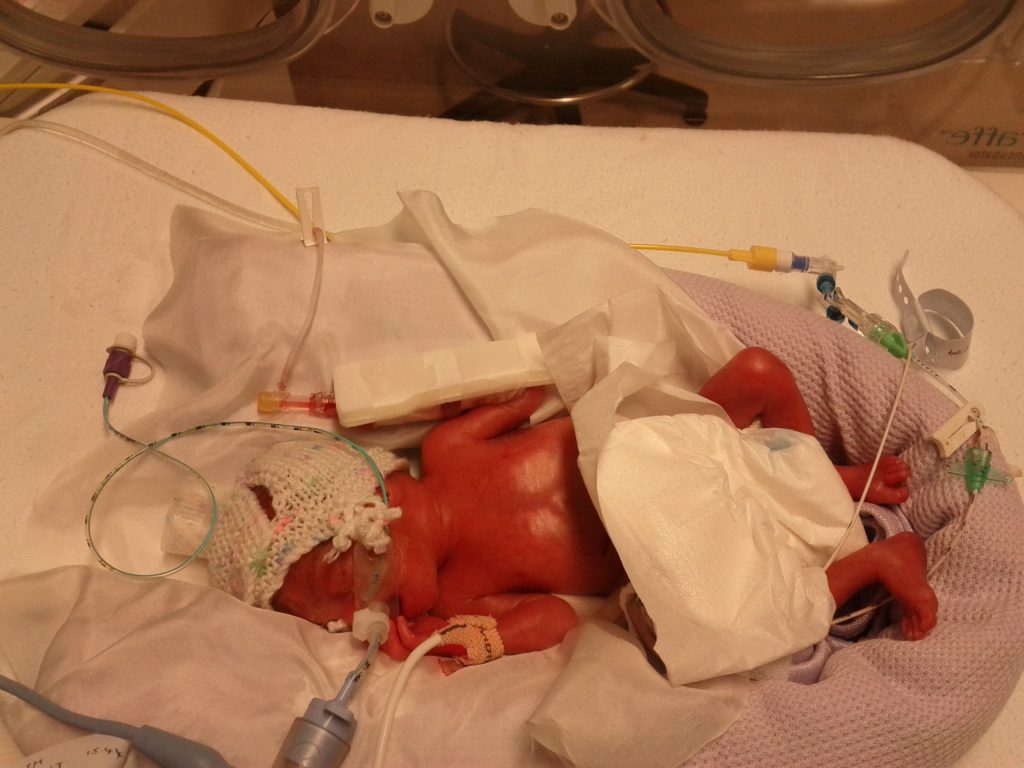
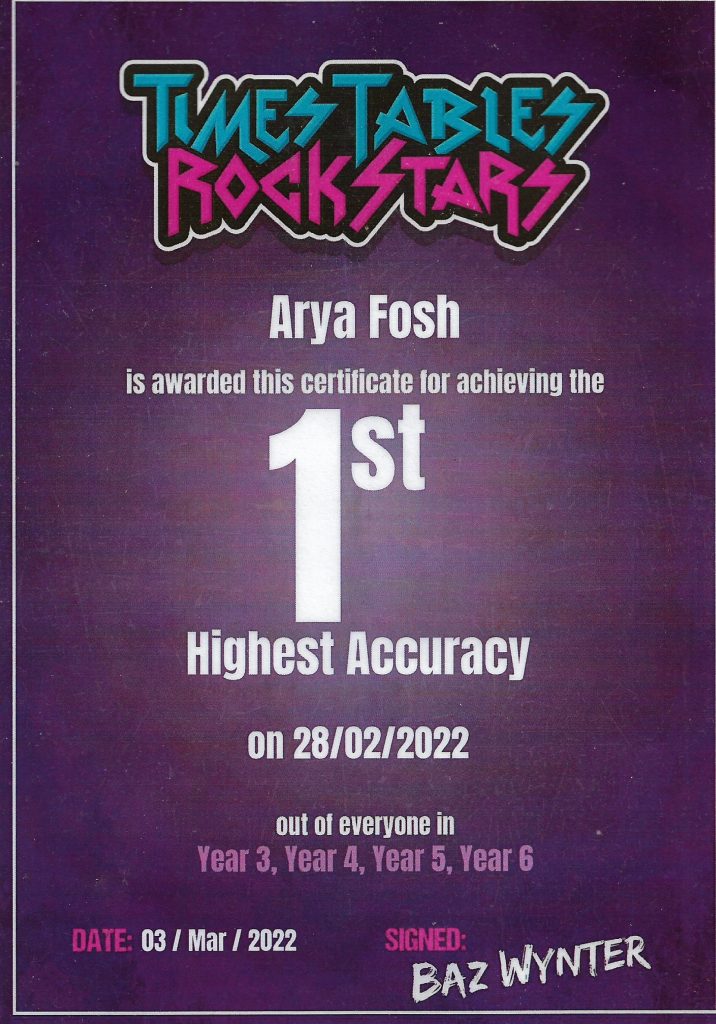
Presque Vu

Presque vu (from French, meaning “almost seen”) is the sensation of being on the brink of an epiphany. Often very disorienting and distracting, presque vu rarely leads to an actual breakthrough. Frequently, one experiencing presque vu will say that they have something “on the tip of their tongue .”

In life, my focus often becomes searing, too often on folly, or distractions, but on occasions this ”fixation” is a great friend.

One fixation, was how to feed our daughter, once solids started, how to not undo all the strides Arya had made. We failed hopelessly, but Arya knew, she found Olives, she knew what they gave to her, yet her father had studied decades and failed to complete a great picture, until Arya compelled it, then gave it us when we scrambled in our minds dirt.

The smell (hexanol) compounds in Olive Oil, are hugely medicinal. The phenolic content is also medicinal, these are crucial factors, in the Liver, Pancreas, Gallbladder, Sphincter all being stimulated to secrete, contract and function (Tryptophan, Cholecystokinin, Serotonin, Insulin et al). An essay on this core bio-chemistry will follow, suffice to say, it’s important and deeply complex stuff, Arya just knew:

https://www.researchgate.net/publication/221923408_Olive_Oil_Composition_Volatile_Compounds
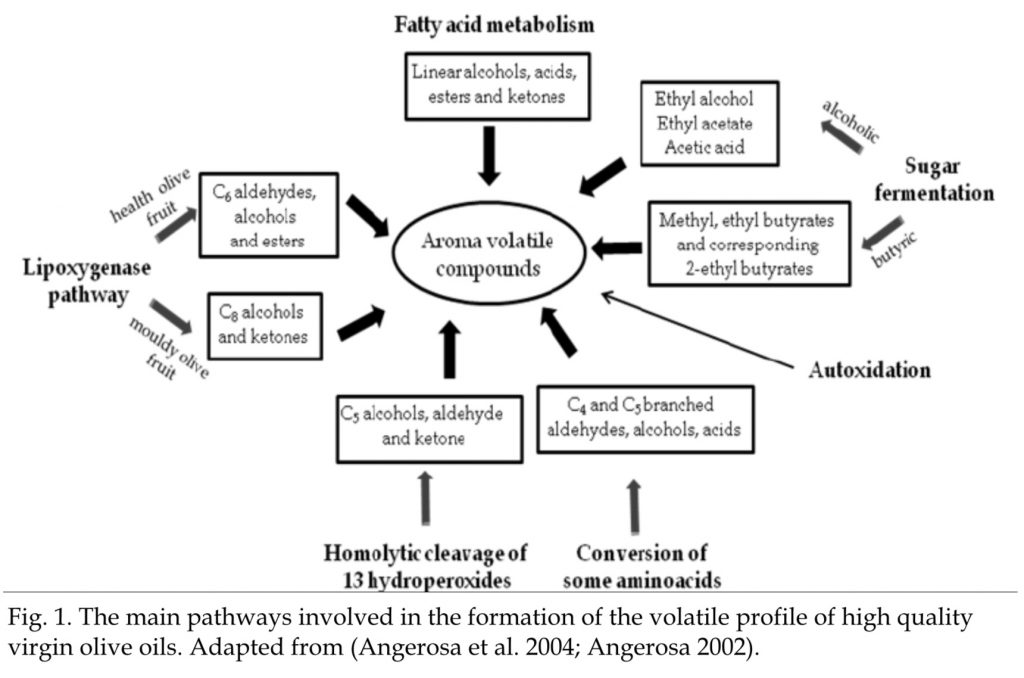
Arya, of course, is not spouting the above, she is just feeling her way through things.

This similar theme, of Presque Vu, was found in Arya when we stimulated our friendly bacteria by making Kombucha. After months of this noble adventure, Daddy had become proficient, to the point everybody seemed to like my Kombucha, especially an Organic Apple, Carrot and Ginger second ferment blend.

When trying differing Green Teas, Sencha smooth, delicate. Others like Chun Mee more powerfully effervescent but also more acidic (Sencha for low fizz gently, Chun Mee for high fizz we had mostly settled upon), it was suggested out of the blue by Arya that using Artichoke may yield better results ”Ummm, I think it would be better if you used Artichoke Daddy”.

Daddy, being a man of considerable age and experience, nonchalantly entertained Aryas words, while my Ego dismissed this, as Arya after finding Olives, found Artichokes. So, naturally I listened and reflected that I would research, but was not sure the taste would be what we sought.

Then, to my astonishment (and, I really should have known better, by then), Arya knew this:

Malbaša et al. (2001) used the tubers of composite Jerusalem Artichoke(Helianthus tuberosus L.). They found that the drink obtained could be considered a dietary product because it had a low concentration of sugars after the fermentation process (28 °C/21 days) and the presence of inulo-oligosaccharides.

https://www.sciencedirect.com/science/article/abs/pii/S1878450X20301499

So, Arya yet again, knew or had the mind to hear, that qualities beyond my fathom, were inherent, in foods she was drawn to.

If experience hadn’t taught me otherwise, it would seem impossible.

The inulo-oligosaccharides, are very powerful sugar feeders of friendly bacteria!!! Our invisible resident, but endangered, Alchemists.

Results: Overall, nine original articles reported the effects of inulin on microbiome composition in adult humans, most of them being randomized, double-blind, placebo-controlled trials (n = 7)… The most consistent change was an increase in Bifidobacterium. Other concordant results included an increase in relative abundance of Anaerostipes, Faecalibacterium, and Lactobacillus, and a decrease in relative abundance of Bacteroides after inulin supplementation.

https://pubmed.ncbi.nlm.nih.gov/31707507/

To note, research is more and more showing, the supplementation of Inulin and/or Pectin has great benefits to out resident Alchemical potency, the younger the person, the stronger or more enduring this recolonisation effect may be (on top of cutting back on processed sugars and oxygen stifling oils).

How was it possible? After researching years, decades, that my 4year old (at that time), knew much, much, better than me?!

Thank heavens she did. Slowly we are catching her up. These days, we share a Kombucha with dinner and a spoonful of Inulin (Cake mix, the girls call it!). Though I never did make the Kombucha with it!

Blessings have been showered upon us.

Jerusalem Artichoke Flower

Thank you Arya for bringing the knowing.

Thousands of years, and, a day

This past Saturday, as Auspicious events marked the skies, and Eid is celebrated by our Muslim friends, it was a nice day to feel right to make some Orgonite, the first time in 3years.

These pieces were made up to a quality, rather than to a price.

First a Ruby Heart was set suspended, then a set of 22Carat Gold plated copper beads, and, Rose Gold plated Copper Beads. Then a central bed of 24Carat Gold, Rose Quartz, like shown, set into the first layers shown, 6Carat White Gold & 24Carat Gold layers. Then Aquamarine crystal set in core.
3 More layers of Golds, with Baltic Amber and Coppers in last 24Carat layer.
Quite the thing!
Would have liked to have used higher quality Sapphire/Ruby/Emerald centre stones, but the resin was 3years old, so could not risk the most precious stones, this time!
Gift for a friend. Never again (Tail snapped, much work!). Ruby Snout, Emerald Eyes, Peridot Fins, Aquamarine Crystal inside & 24Carat Gold.
Tool station. Leftovers lead to spontaneously making a 24Carat Chi beamer. Very Nice. Lovely Jade, a gift from a friend often sitting, quietly, in Taiwan.

Thanks for patience, and, my great tools, pins!!!

Where The Mind Is Without Fear

Where the mind is without fear and the head is held high
Where knowledge is free
Where the world has not been broken up into fragments
By narrow domestic walls
Where words come out from the depth of truth
Where tireless striving stretches its arms towards perfection
Where the clear stream of reason has not lost its way
Into the dreary desert sand of dead habit
Where the mind is led forward by thee
Into ever-widening thought and action
Into that heaven of freedom, my Father, let my country awak
e

https://allpoetry.com/Rabindranath-Tagore

Rabindranath Tagore [1861-1941] was considered the greatest writer in modern Indian literature. A Bengali poet, novelist, educator,  Nobel Laureate for Literature [1913].

Tagore was awarded a knighthood in 1915, but he surrendered it in 1919 in protest against the Massacre at Amritsar, where British troops killed around 400 Indian demonstrators.


Tagore gained a reputation in the West as a mystic originally and that has perhaps mislead many Western readers to ignore his role as a reformer and critic of colonialism.

Flaxseed extract exhibits mucosal protective effect in acetic acid induced colitis in mice by modulating cytokines, antioxidant and antiinflammatory mechanisms

Highlights​

• Flaxseed extract reduces IFN-γ and TNF-α in acetic acid induced colitis in mice.
• Flaxseed extract increases IL-17 levels in acetic acid induced colitis in mice.
• Flaxseed extract reduces the malondialdehyde activity in acetic acid colitic mice.
• Flaxseed extract reduces the myeloperoxidase activity in acetic acid colitic mice.
• Flaxseed extract increases the antioxidant activity in acetic acid colitic mice.
• Flaxseed extract retains mucin secreting goblet cells in acetic acid colitic mice.

Flaxseed extract exhibits mucosal protective effect in acetic acid induced colitis in mice by modulating cytokines, antioxidant and antiinflammatory mechanisms

New treatments for inflammatory bowel disease are of interest due to high rate of remission failure. Natural products have been effective in IBD thera…www.sciencedirect.com www.sciencedirect.com

If you eat mucous forming foods, like a lot of potato, many grains, most meats, dairy, as a high % of diet, these illnesses will often hit much harder.

Lowering foods with Sunflower oil as the chief oil is a very wise thing to contemplate, tough if you are a snack junkie, but Omega6 is probably at the centre of many problems!

Mucins: the frontline defence of the lung​

Caroline RidleyDavid J Thornton

Wellcome Trust Centre for Cell-Matrix Research, School of Biological Sciences, Faculty of Biology, Medicine and Health, Manchester Academic Health Sciences Centre, University of Manchester, Manchester M13 9PT, U.K.

Abstract​

Mucus plays a vital role in protecting the lungs from environmental factors, but conversely, in muco-obstructive airway disease, mucus becomes pathologic. In its protective role, mucus entraps microbes and particles removing them from the lungs via the co-ordinated beating of motile cilia. This mechanism of lung defence is reliant upon a flowing mucus gel, and the major macromolecular components that determine the rheological properties of mucus are the polymeric mucins, MUC5AC and MUC5B. These large O-linked glycoproteins have direct roles in maintaining lung homeostasis. MUC5B is essential for interaction with the ciliary clearance system and MUC5AC is up-regulated in response to allergic inflammatory challenge. Mucus with abnormal biophysical properties is a feature of muco-obstructive respiratory disease and can result from many different mechanisms including alterations in mucin polymer assembly, mucin concentration and the macromolecular form in mucus, as well as changes in airway surface hydration, pH and ion composition. The abnormal mucus results in defective lung protection via compromised ciliary clearance, leading to infection and inflammation.

Mucins: the frontline defence of the lung – PubMed

Mucus plays a vital role in protecting the lungs from environmental factors, but conversely, in muco-obstructive airway disease, mucus becomes pathologic. In its protective role, mucus entraps microbes and particles removing them from the lungs via the co-ordinated beating of motile cilia.

OXY-HYDROGEN GAS: THE RATIONALE BEHIND ITS USE AS A NOVEL AND SUSTAINABLE TREATMENT FOR COVID-19 AND OTHER RESPIRATORY DISEASES

Authors:
Grace Russell,1 *Alexander Nenov,2 John T. Hancock1
1. Department of Applied Sciences, University of the West of England, Bristol, UK
2. Water Fuel Engineering, Liquorice Way, Pontefract, UK
*Correspondence to Grace2.Russell@live.uwe.ac.uk
Disclosure: Dr Nenov is a board member of Water Fuel Engineering. The remaining authors have declared no conflicts of interest.
Received: 03.02.21
Accepted: 16.03.21

Abstract

Oxy-hydrogen gas (HHO) is a gaseous mixture of molecular hydrogen and molecular oxygen that is generated by the electrolysis of water and delivered in a 2:1 ratio (66% and 33%, respectively) through the use of noninvasive inhalation devices such as nasal cannulas or nebulisers. Although there is a paucity of scientific evidence supporting this new and emerging therapy, initial investigations indicate that HHO proffers cytoprotective qualities, typically by reducing oxidative stress and attenuating the inflammatory response. These aspects are particularly favourable when considering respiratory medicine because underlying inflammation is known to drive the pathological progress of numerous respiratory conditions, including asthma, chronic obstructive pulmonary disorder, and, pertinently, coronavirus disease (COVID-19). Direct delivery to the lung parenchyma is also likely to increase the effectiveness of this emerging medical therapy.

This narrative review aims to delineate how this particular combination of gases can affect cellular processes at the molecular level by focussing on the evolutionary requirement for both oxygen and hydrogen. Furthermore, the authors assess the current available data for the safety and efficacy of HHO in a clinical setting.

Source : https://www.emjreviews.com/respiratory/article/oxy-hydrogen-gas-the-rationale-behind-its-use-as-a-novel-and-sustainable-treatment-for-covid-19-and-other-respiratory-diseases/

ChooseLife : We have a nebuliser and use it now and again, with 1% or so H2O2, but personally think small sips of Milk of Magnesia (pH 11.5) to coat the throat, bring the pH up and let the body start healing itself is best (the Magnesium is shown to loosen sticky mucous), though I am positive towards this research.

Elevated MUC1 and MUC5AC mucin protein levels in airway mucus of critical ill COVID-19 patients

Wenju Lu, Xiaoqing Liu, Tao Wang, Fei Liu, Airu Zhu, and Yongping Lin 

Patients with coronavirus disease 2019 (COVID-19) exhibit a spectrum of respiratory symptoms like cough and dyspnea.13 Airway mucus is an adhesive viscoelastic gel composed mostly of high-molecular-weight mucous glycoproteins and water, which is important in maintaining lung function and health, pathological mucus hypersecretion may cause airway obstruction and lead to respiratory distress. Mucin (MUC) glycoproteins are the major macromolecular components of mucus, which are classified into two major types: the gel-forming secreted MUC5AC and the membrane-tethered MUC1.4 Here, with an attempt to understand the lung changes, we sought to provide a delineation of the components of airway mucus from patients with COVID-19.

To clean airway obstruction, respiratory tract mucus was aspirated and collected via bronchoscopy from COVID-19 patients with a critical illness, and optical coherence tomography (OCT) was applied via bronchoscopy to obtain cross-sectional images of the bronchiole. For healthy control, sputum was induced by inhaled hypertonic (3%) saline solution delivered with an ultrasonic nebulizer. After collection, sputum was processed as previously described for components analysis.5 Medical history, and clinical and laboratory data of the participants were extracted from electronic medical records. The study was approved by the Ethics Committee of the First Affiliated Hospital of Guangzhou Medical University (No. 2020-65). The requirement for informed consent was waived because the study was observational and the family members were in quarantine.

MUC5AC (sc-21701; Santa Cruz, Shanghai, China) and MUC1 (sc-6827; Santa Cruz) in airway mucus were measured using enzyme-linked immunosorbent assay, and MUC1-cytoplasmic tail (CT, clone EP1024Y; Abcam, Shanghai) levels were measured by Western blot analysis as described previously.5 The levels of MUC5AC and MUC1 were normalized to their average signal reading of a healthy control group.

A total of 16 patients with COVID-19 were included in this study, the clinical characteristics of the recruited subjects were shown in Table S1. There was no significant deviation in the distribution of age, or sex between the cohorts of case and control subjects. All the patients with COVID-19 were admitted to the intensive care unit because of low oxygenation index (199 ± 23 mm Hg), and 79% of them received mechanical ventilation. Blood laboratory tests showed elevated inflammatory indexes including leukocyte count, C-reactive protein, and interleukin-6 in most of the patients with COVID-19 (Table S2).

OCT indicated clear bronchiole in healthy controls (Figure 1A) and mucus retention in the bronchiole of patients with COVID-19 (Figure 1B). A volume of 1-8 mL white to gray sputum with high viscosity (Figure 1C) was aspirated from the respiratory tract of 16 patients with COVID-19. Induced sputum from healthy control was clear and transparent with low viscosity. Compared to healthy control, airway mucus from patients with COVID-19 had a higher level of MUC5AC (Figure 1D), MUC1 (Figure 1E), and MUC1-CT fragment (Figure 1F). However, there were no significant differences in the concentration of total protein, sodium, or chloride in the airway mucus from patients with COVID-19 when compared to healthy control (Table S3).

Representative cross-sectional images of bronchioles in (A) healthy and (B) critical ill COVID-19 patients were obtained with optical coherence tomography and bronchoscopy. C, Airway mucus aspirated by bronchoscopy. D, MUC1 and (E) MUC5AC protein levels as measured by ELISA, and (F) MUC1-CT level as measured by Western blot analysis in the airway mucus from COVID-19 patients and healthy control (HC). The levels of MUC5AC and MUC1 were normalized to their average signal reading of healthy control group. COVID-19, coronavirus disease 2019; CT, cytoplasmic tail; ELISA, enzyme-linked immunosorbent assay; MUC, mucin

Although more than half of patients with COVID-19 presented with a dry cough,6 this study provided direct evidence showing mucus retention in the small airway of patients with COVID-19, and patients were not able to expectorate by themselves and need bronchoscopy aspiration to help them to clean respiratory tract. The sputum from these patients with COVID-19 was viscous, which is not surprising as MUC5AC levels are extremely high, hyperconcentration of this gel-forming MUC dehydrates airway surfaces and causes mucus adhesion, which may contribute to airflow obstruction and respiratory distress. Clearance of airway mucus is an important way to increase oxygen and carbon dioxide exchange, bronchoscopy aspiration of airway mucus was used in all our patients to relieve hypoxia. In our center, all the 16 critical ill COVID-19 patients recovered and were discharged from hospitalization, which may attribute to our aggressive clearance of the respiratory tract. It is of note that bedside bronchoscopy may not be available in some hospitals as the medical resources are limited during the COVID-19 pandemic, carbocisteine has been reported to inhibit airway MUC5AC secretion, which could be used to reduce sputum viscosity and elasticity in patients with COVID-19. In addition, hydration of sputum by aerosolized hypertonic saline solutions or mannitol, and dilation of bronchi via aerosolized salbutamol may facilitate sputum expectoration.

MUC1 is a membrane-tethered MUC expressed on the apical surface of epithelial cells.78 Since MUC1-CT fragment is on the cytoplasmic side of the cells, the elevated sputum CT fragment in patients with COVID-19 could come from detached and disrupted epithelial cells, which is evidenced by the pathological findings of diffuse alveolar damage with fibromyxoid exudates and macrophage infiltration in the lung tissue from patients with COVID-19.9

The limitation of this study is that induced sputum was used in the control group to compare airway mucus aspirated via bronchoscopy from patients with COVID-19, because it was very difficult for the patients with COVID-19 to expectorate sputum even with hypertonic saline solution inhalation.

The findings may suggest that increased level of MUCs in the airway mucus may contribute to the high viscosity of airway mucus and sputum retention in the small airway of patients with COVID-19, airway mucus clearance may be indicated to relieve respiratory distress, and MUC5AC may serve as a target for mucolytic agents in treating COVID-19. And MUC1-CT may serve as an indicator reflecting the severity of airway and alveolar epithelial cell damage.

ACKNOWLEDGMENTS

This study was supported by grants from the National Key R&D Project (2016YFC0903700 and 2016YFC1304102), the National Natural Science Foundation of China (81520108001 and 81770043), and grant specific for COVID-19 study from Guangzhou Institute of Respiratory Health. The authors would like to thank Dr Kwang Chul Kim (University of Arizona) for the invaluable assistance with the manuscript.

CONFLICT OF INTERESTS

The authors declare that there are no conflict of interests.

Source : https://onlinelibrary.wiley.com/doi/10.1002/jmv.26406