How to control diabetes: Reduce meat intake

By : Tim Newman

Published Wed 31 Oct 2018

The potential benefits of eating a plant-based diet have expanded once again. A new paper concludes that, for people with diabetes, cutting out animal products improves glucose control and well-being in addition to boosting weight loss.

Over recent years, vegetarianism and veganism have steadily moved from the fringe to the mainstream.

With many hailing it as a more healthful option, researchers seem to be adding to the evidence in favor of a plant-based diet on a weekly basis.

The most recent study to scrutinize the effects of a reduced meat intake considered its impact on people with diabetes.

Specifically, the scientists wanted to understand whether reducing animal-based food intake could help improve both glucose control and overall psychological well-being. To investigate this, they reanalyzed and combined data from existing studies.

Diabetes: Physical and mental

Diabetes needs no introduction. In the United States, it affects an estimated 9.4 percent of the population, with almost 15 percent of the adults in some states having a diabetes diagnosis.

It is possible to moderate the negative impact of type 2 diabetes with medication and lifestyle changes, but, without proper control, there can be severe consequences. For example, diabetes increases the risk of cardiovascular disease, nephropathy (kidney damage), and vision loss.

Aside from the physical impact of diabetes, it can have substantial psychological effects, too. People with diabetes often report lower levels of psychological well-being. The risk of depression among people with type 2 diabetes is almost twice as high as that of the general population.

The psychological aspects of diabetes can create a negative spiral, as depression makes it more difficult for people to eat healthfully, exercise regularly, and follow medication routines. This causes stress, which can make depression worse.

With these findings in mind, the authors delved into existing research that looked at how diet influences psychological well-being in these individuals.

Plant-based diet

There is scientific evidence that eating large quantities of red meat increases the risk of developing type 2 diabetes. Similarly, research has shown that a diet that is rich in vegetables, fruits, nuts, and seeds but low in animal products can reduce the risk of developing this disease.

Consequently, experts now consider a plant-based diet to be the best option for both preventing and controlling diabetes.

In 2018, the American Association of Clinical Endocrinologists and the American College of Endocrinology released new guidelines. They write that people with diabetes “should strive to attain and maintain an optimal weight through a primarily plant-based meal plan.”

Although the links between a plant-based diet and the physical impact of diabetes are fairly well-documented, fewer studies record the psychological effects of these dietary changes.

To this end, the researchers carried out a review. In total, they found 11 relevant randomized control trials with a total of 433 participants. The results of their meta-analysis featured recently in the journal BMJ.

The benefits of eating fewer animal products

The analysis showed that individuals who ate a plant-based or vegan diet experienced significant improvements in their physical and emotional health. Individuals who had depressive symptoms also noted improvements.

Specifically, nerve pain (neuropathy) relating to diabetes improved more in the plant-based groups than in the other experimental groups. Also, fasting glucose levels fell more sharply, which is a sign of improved glucose control.

Similarly, levels of HbA1c — a marker of average blood glucose over recent weeks or months — also dropped for these individuals.

Weight loss improved in the participants who reduced their intake of animal products; in fact, they lost almost twice the amount of weight. Additionally, levels of fat in the blood dropped more quickly in the groups who ate a plant-based or vegan diet.

Fat in the blood and carrying excess weight are both risk factors for cardiovascular disease, so this is an important finding. The authors conclude:

Plant-based diets accompanied by educational interventions can significantly improve psychological health, quality of life, HbA1c levels, and weight, and therefore the management of diabetes.”

In six of the studies that the researchers analyzed, individuals who followed the plant-based or vegan diets were able to either stop taking or reduce their medication for diabetes or blood pressure.

These findings support earlier claims of the physical benefits of plant-based diets. However, when it comes to psychological factors, cumulative evidence is, to date, rather scant. This study adds to the existing body of research, but, as the authors note, “The included studies had rather small sample sizes.” More work will be necessary.

Research has already shown that limiting meat intake can reduce the risk of developing type 2 diabetes and give people who have diabetes more control over their blood sugar levels. Now, it seems that it might also assist with the psychological aspects of the disease.

Moving toward a more plant-based diet is a simple and cost-effective intervention. If it has a significant impact on both the physical and emotional health of individuals with diabetes, it is an intervention worth investigating thoroughly.

Full Article : Link

Diet rich in fruits and vegetables tied to fewer menopause symptoms

By : Lisa Rapaport

(Reuters Health) – Women who eat lots of fruits and vegetables may experience fewer physical and mental health symptoms of menopause than those who prefer to dine on sweets, fats and snacks, an Iranian study suggests.

Researchers surveyed 400 women who had already gone through menopause about their eating habits as well as their recollection of how often they experienced symptoms like hot flashes, night sweats, muscle and joint problems and bladder issues.

The study team also identified three distinct eating patterns: some women’s diets were abundant in fruits and vegetables; others consumed plenty of mayonnaise, oils, sweets and desserts; and a third group favored a wide variety of fatty foods and snacks.

Then, researchers sorted women into groups according to how closely they adhered to one of these three dietary patterns. Compared to women who consumed the fewest fruits and vegetables, women who had the most greens in their diets found menopause had a much smaller impact on their general wellbeing and physical and mental health.

By contrast, women who ate the most fatty foods and snacks were much more likely to suffer menopause symptoms that impaired their quality of life and impacted their physical and mental health than those who ate the most greens.

“The high-fat and -sugar dietary pattern has high amounts of simple carbohydrates and unhealthy fats, especially saturated and trans fats, and a relatively low content of fiber, which can increase the levels of inflammatory biomarkers and body weight, all of them are related to menopausal symptoms,” said senior study author Gity Sotoudeh of Tehran University of Medical Sciences.

“On the other hand, fruits and vegetables are low in fat, are a good source of micronutrients, antioxidants, as they help the body to lower the inflammation and maintain a healthy body weight during the menopause,” Sotoudeh said by email. “Fruits and vegetables are also rich in fiber, which can modify the estrogen metabolism and decrease the fluctuation in levels of estrogen, which all decrease the risk of symptoms.”

Women go through menopause when they stop menstruating, typically between ages 45 and 55. As the ovaries curb production of the hormones estrogen and progesterone in the years leading up to menopause and afterward, women can experience symptoms ranging from vaginal dryness to mood swings, joint pain and insomnia.

Obesity, inactivity, smoking and alcohol consumption have all been linked to an increased risk of more severe or frequent menopause symptoms, the study authors write in the journal Menopause.

Some previous research has also linked diets low in fat and high in whole grains, fruits and vegetables with fewer hot flashes and night sweats, the authors also note.

In the current study, participants were in typically in their mid- to late-50s and had gone through menopause around 7 to 9 years earlier. They were generally obese or overweight, and most were married, widowed or divorced.

The study can’t prove whether or how specific eating habits might directly impact menopause symptoms. Another limitation is that the group of women in the study was too small to draw broad conclusions about how diet might influence menopause symptoms, the researchers note.

Still, eating fats and sweets in moderation can have other health benefits, Sotoudeh said.

“We suggest that women cut down or avoid fast food, sweet and sugary food as much as they can, and start adding foods like fresh fruits and vegetables, especially colorful and green leafy vegetables and whole grain into their diet if they are not getting enough of them,” Sotoudeh advised. “Because it not only helps them to have lower menopausal symptoms, it would help with preventing of weight gain and some diseases that menopausal women are at a higher risk of.”

SOURCE:  Menopause, online October 22, 2018.

Low-protein, high-carb diet may promote healthy brain ageing

Researchers at the University of Sydney have shown that a low-protein, high-carbohydrate diet may be the key to healthy brain ageing and longevity.

In a mouse model, Devin Wahl and colleagues showed that an unrestricted diet low in protein and rich in carbs not only improved overall health, but also brain health, learning and memory.

Given the current lack of drugs for dementia, it is exciting that researchers are starting to identify diets that can affect how the brain ages.

The research, which was recently published in the journal Cell Reports, is the first study of its kind to demonstrate that the diet provides similar protective brain benefits to calorie-restricted diets, which have proven longevity benefits, but are difficult for most people to sustain.

It shows a lot of promise that we have been able to replicate the same kind of gene changes in the part of the brain responsible for memory that we also see when we severely restrict calories.”

Devin Wahl, Lead Researcher

Senior author David Le Couteur says the benefits of a low-protein, high-carb diet have already been appreciated by many cultures, with people in Okinawa in Japan an many Mediterranean regions having long adopted the mix:

”The traditional diet of Okinawa is around nine percent protein, which is similar to our study, with sources including lean fish, soy and plants, with very little beef. Interestingly, one of their main sources of carbohydrate is sweet potato.”

In the current study, mice were fed complex carbohydrates derived from starch and the protein casein, which is present in cheese and milk.

To gauge the benefits to brain health, the team focused on the hippocampus, which is the brain region involved in learning and memory.

The researchers performed a series of spatial awareness and memory tests, which showed modest improvements in learning and memory among both young and old mice.

Couteur says that, usually, the hippocampus is first region of the brain to start deteriorating in neurodegenerative diseases such as Alzheimer’s.

However, the low-protein high-carbohydrate diet appeared to promote hippocampus health and biology in the mice, on some measures to an even greater degree than those on the low-calorie diet.”

David Le Couteur, Senior Author

Full Article : Link


Plenty of fish helps asthmatic children breathe better

Eating plenty of fatty fish—such as salmon and tuna—can help improve the lung function of children with asthma, a new study has found.

Children can see a big improvement in their breathing within six months after eating fish twice a week, say researchers at La Trobe University in Australia.

Lead researcher Maria Papamichael said the findings add to other research studies that demonstrate how asthma can be successfully treated almost exclusively with a healthy diet.

The researchers tested the diet on a group of 64 children who had mild asthma, half of whom ate at least 150 g of fatty fish twice a week, and the rest instead ate their normal diet.

By the end of the six-month trial, the children who had eaten the fatty fish diet had reduced bronchial inflammation by 14 units; a 10-unit reduction is considered ‘significant’.

The fish is rich in omega-3 fatty acids and these have anti-inflammatory effects that reduce asthma symptoms, the researchers said.


References

(Source: Journal of Human Nutrition and Dietetics, 2018; doi: 10.1111/jhn.12609)

ChooseLife Notes : Johanna Budwig said that a high Omega3 diet (such as her Flax Oil/Cottage Cheese centred protocol), would help cure dry coughing, and other similar maladies. This research backs the claim made in her book:

FLAX OIL AS A TRUE AID AGAINST ARTHRITIS, HEART INFARCTION, CANCER, AND OTHER DISEASES.

Moreless would often broach this subject, advising that he only recommended Salmon from far north, that the waters there are cleaner, plus the meat is more mineral rich (as this is a mechanism to stop freezing). He would repeatedly state that plant based diets were those where true healing may occur, however for some including fish like Arctic Salmon may be very beneficial. Moreless did talk of the Budwig Protocol positively, so I personally defer to her expertise in this regard (ie the surplus electrons of Flax make it the best Omega3/ALA source, an Electron shower, reigniting millions of cells respiratory potential).

On Benevolent God: Beliefs and Biochemistry

A landmark study linking belief to health was reported recently by Gail Ironson, MD, PhD, a leading mind-body medicine researcher, and professor of psychology and psychiatry at the University of Miami. Dr. Ironson runs the Positive Survivors Research Center at the university, and has been awarded several grants from the National Institutes of Health. It is one of the first studies to link particular beliefs with specific changes in the immune system.

Dr. Ironson measured several indicators of health in HIV patients over a four-year period. Once measure was their viral load – the quantity of the AIDS virus in a sample of blood. She also counted the concentration of a type of white blood cell responsible for killing invading organisms. The concentration of these “helper Tcells” (also know as CD4 cells) in he blood is one measure of the progression of AIDS. If the concentration of helpder Tcells drops, our bodies are less able to fend off other diseases like pneumonia. That’s why the I and D in AIDS stand for Immune Deficiency; as AIDS patients lose their Tcells and their immunity to disease drops, they are more susceptible to the kinds of invading organisms – opportunistic infections – that healthy immune systems easily fend off.

Studies like those conducted by Dr. Ironson are especially meaningful to physicians and biologists because they identify key biological markers of illness, as opposed to subjective measures such as the patient’s level of depression, the number of doctor visits, and the dosage of medication required.

In her studies, Dr. Ironson found that there were two particular interesting predictors of how fast HIV progressed in the bodies of her research participants. The first was their view of the nature of God. Some believed in a punishing God, while others believed in a benevolent God. She observes that, “People who view God as judgmental God have a CD4 (helper T) cell decline more than twice the rate of those who don’t see God as judgmental, and their viral load increases more than three times faster. For example, a precise statement affirmed by these patients is ‘God will judge me harshly one day.’ This one item is related to an increased likelihood that the patient will develop an opportunistic infection or die. These beliefs predict disease progression even more strongly than depression.”

Dr. Ironson was surprised to find that many people reported a spiritual transformation subsequent to their diagnostic. This transformation was characterized by a sense of self that was profoundly changed, and resulted in different behaviors. Many kicked their habits of street drugs like cocaine and heroin, or legal ones like alcohol. Some went through such a transformation only after hitting rock bottom.

A common gateway to spiritual transformation was having a spiritual experience. After helping a drunk white man in distress, John, a gay African-American man with a college education, described the following experience:

I felt like I was floating over my body, and I’ll never forget this, as I was floating over my body, I looked down, it was like this shriveled up prune, nothing but a prune, like an old dried skin. And my soul, my spirit was over my body. Everything was so separated. I was just feeling like I was in different dimensions, I felt it in my body like a gush of wind blows. I remember saying to God, “God I can’t die now, because I haven’t fulfilled my purpose,” and, just as I said that, the spirit and the body, became one, it all collided, and I could feel this gush of wind and I was a whole person again.

That was really a groundbreaking experience. Before becoming HIV-positive my faith was so fear based. I always wanted to feel I belonged somewhere, that I fit in, or that I was loved. What helped me to overcome the fear of God and the fear of change was that I realized that no one had a monopoly on God. I was able to begin to replace a lot of destructive behavior with a sort of spiritual desire. I think also what changed, my desire to get close to God, to love myself, and to really embrace unconditional love.

John’s story points to the second major factor Dr. Ironson noted: A participant’s personal relationship with God. Her study found that patients who did not believe that God loved them lost helper Tcells “three times faster than those who believed God did love them.” Another correlation she found was that those who felt a sense of peace also had lower levels of body-damaging stress hormone cortisol.”

Dr. Ironson, in her recent article published in the Journal of General Internal Medicine, showed a fairly high number of people increase their spirituality in the year after they are first diagnosed with HIV/AIDS; 45% showed an increase in spirituality, 42% stayed the same, and 13% had a decrease in spirituality. The study showed an enormous strong association between spirituality and the progression of HIV.

“I was surprised that so many people had an increase in spirituality, because being diagnosed with HIV/AIDS can be a devastating event. I could hardly believe the figures, until I saw that another article in the same issue of the journal found an increase in spirituality of 41% of newly diagnosed patients. Perhaps a life-threatening illness, not just HIV, but cancer or a heart attack, can stimulate a person to reexamine their connection to the sacred.”

Dr. Ironson summarizes by saying, “If you believe God loves you, it’s an enormously protective factor, even more protective than scoring low for depression, or high for optimism. A view of a benevolent God is protective, but scoring high on the personalized statement, ‘God loves me’ is even stronger.”

This echoes another study that found that, “Patients who believed that God was punishing them, didn’t love them, didn’t have the power to help, or felt their church had deserted them, experience 10% to 28% greater mortality during the two-year period following hospital discharge.”

Unfortunately, many more Americans believe in the God of thunderbolts and retribution than believe in a benevolent God. In a study done by Baylor University’s Institute for Studies in Religion, researchers found that 31% Americans see God that way. The number of people believing in an authoritarian God goes as high as 44% of the population in the country’s southern states.

Just 23% of the population believes in a Benevolent God, according to the study, while the rest fall in the middle. They believe in a Critical God (16%), Distant God (24%), or are atheists (5%). Since our view of God can have such huge effects on our health, it’s worth examining our beliefs, and if our religion or spiritual orientation permits such recalibration, adjusting them to fit the most loving vision of God of which we are capable.

Carlos the young man who hit bottom in Ironson’s HIV/Spirituality study, says, “You don’t have to believe in God that doesn’t love you or any God that isn’t here to help you. Because I had a Catholic background, during my addiction, I felt like I was being judged, that I was being punished. I thought I was going to die for my sins. So when I went to this service and I heard (the minister talk about choosing a loving God, it) changed my God to one that was loving and helpful. It was revolutionary.

Shortly thereafter, Carlos went to Alcoholics Anonymous and became sober. Though you may not be  in the same dire straits as Carlos was, your body will be deeply grateful if you adjust your religious faith in the direction of a loving God.


– The Genie in Your Genes by Dawson Church

Source : techofheart.co

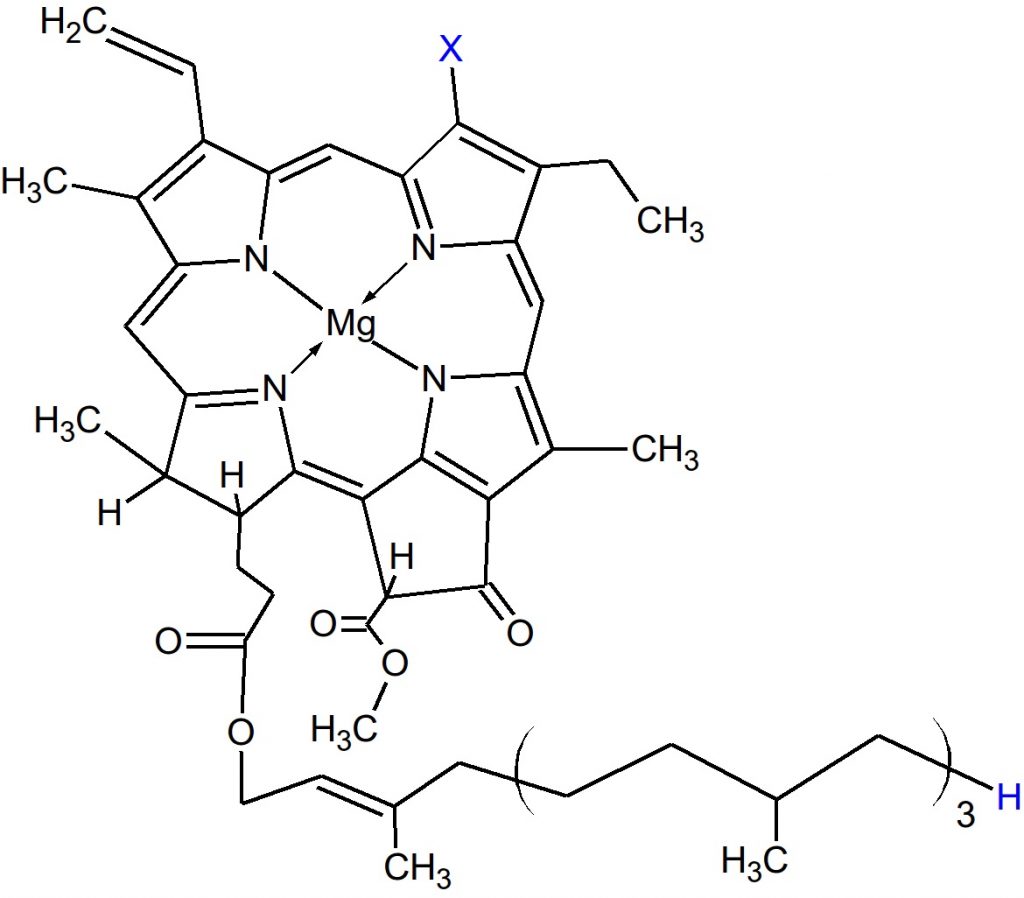
Chlorophyll and Hemoglobin, Magnesium and Iron

“Chloroplasts bear chlorophyll; they give the green world its color, and they carry out the business of photosynthesis. Around the inside perimeter of each gigantic cell trailed a continuous loop of these bright green dots. They spun . . . they pulsed, pressed, and thronged . . . they shone, they swarmed in ever-shifting files around and around the edge of the cell; they wandered, they charged, they milled, raced . . . they flowed and trooped greenly . . . All the green in the planted world consists of these whole, rounded chloroplasts . . . If you analyze a molecule of chlorophyll itself, what you get is one hundred thirty-six atoms of hydrogen, carbon, oxygen, and nitrogen arranged in an exact and complex relationship around a central ring. At the ring’s center is a single atom of magnesium. Now: If you remove the atom of magnesium and in its place put an atom of iron, you get a molecule of hemoglobin. The iron atom combines with all the other atoms to make red blood, the streaming red dots in the goldfish’s tail.”

― Annie Dillard, Pilgrim at Tinker Creek


How to avoid raising a materialistic child

Date : October 19, 2018

Source : University of Illinois at Chicago

Summary : If you’re a parent, you may be concerned that materialism among children has been on the rise. But there’s some good news. A new study suggests that some parenting tactics can curb kids’ materialistic tendencies.

Full Article

If you’re a parent, you may be concerned that materialism among children has been on the rise. According to research, materialism has been linked to a variety of mental health problems, such as anxiety and depression, as well as selfish attitudes and behaviors.

But there’s some good news. A new study published in the Journal of Positive Psychology suggests that some parenting tactics can curb kids’ materialistic tendencies.

“Our findings show that it is possible to reduce materialism among young consumers, as well as one of its most common negative consequences (nongenerosity) using a simple strategy — fostering gratitude for the things and people in their lives,” writes researcher Lan Nguyen Chaplin, associate professor of marketing at the University of Illinois at Chicago and coauthor of the study.

After studying a nationwide sample of more than 900 adolescents ages 11 to 17, Chaplin’s team found a link between fostering gratitude and its effects on materialism, suggesting that having and expressing gratitude may possibly decrease materialism and increase generosity among adolescents.

The team surveyed 870 adolescents and asked them to complete an online eight-item measure of materialism assessing the value placed on money and material goods, and a four-item measure of gratitude assessing how thankful they are for people and possessions in their lives.

The researchers then conducted an experiment among 61 adolescents and asked them to complete the same four-item gratitude measure from the first study and an eight-item materialism measure. The adolescents were randomly assigned to keep a daily journal for two weeks. One group was asked to record who and what they were thankful for each day by keeping a gratitude journal, and the control group was asked to record their daily activities.

After two weeks, the journals were collected and the participants completed the same gratitude and materialism measures as before. The kids were then given 10 $1 bills for participating and told they could keep all the money or donate some or all of it to charity.

Results showed that participants who were encouraged to keep a gratitude journal showed a significant decrease in materialism and increase in gratitude. The control group, which kept the daily activity journal, retained their pre-journal levels of gratitude and materialism.

In addition, the group that kept a gratitude journal was more generous than the control group. Adolescents, who were in the experimental group, wrote about who and what they were thankful for and donated more than two-thirds of their earnings. Those who were in the control group and simply wrote about their daily activities donated less than half of their earnings.

“The results of this survey study indicate that higher levels of gratitude are associated with lower levels of materialism in adolescents across a wide range of demographic groups,” Chaplin noted.

The authors also suggest that materialism can be curbed and feelings of gratitude can be enhanced by a daily gratitude reflection around the dinner table, having children and adolescents make posters of what they are grateful for, or keeping a “gratitude jar” where children and teens write down something they are grateful for each week, while countering materialism.

Original Article : Science Daily

Reference : The impact of gratitude on adolescent materialism and generosityThe Journal of Positive Psychology, 2018; 1 DOI: 10.1080/17439760.2018.1497688

More bad news for artificial sweetener users

October 1, 2018, American Associates, Ben-Gurion University of the Negev


FDA-approved artificial sweeteners and sport supplements were found to be toxic to digestive gut microbes, according to a new paper published in Molecules by researchers at Ben-Gurion University of the Negev (BGU) in Israel and Nanyang Technological University in Singapore.

The collaborative study indicated relative toxicity of six artificial sweeteners (aspartame, sucralose, saccharine, neotame, advantame, and acesulfame potassium-k) and 10 sport supplements containing these artificial sweeteners. The bacteria found in the digestive system became toxic when exposed to concentrations of only one mg./ml. of the artificial sweeteners.

“We modified bioluminescent E. coli bacteria, which luminesce when they detect toxicants and act as a sensing model representative of the complex microbial system,” says Prof. Ariel Kushmaro, John A. Ungar Chair in Biotechnology in the Avram and Stella Goldstein-Goren Department of Biotechnology Engineering, and member of the Ilse Katz Institute for Nanoscale Science and Technology and the National Institute for Biotechnology in the Negev. “This is further evidence that consumption of artificial sweeteners adversely affects gut microbial activity which can cause a wide range of health issues.”

Artificial sweeteners are used in countless food products and soft drinks with reduced sugar content. Many people consume this added ingredient without their knowledge. Moreover, artificial sweeteners have been identified as emerging environmental pollutants, and can be found in drinking and surface water, and groundwater aquifers.

“The results of this study might help in understanding the relative toxicity of artificial sweeteners and the potential of negative effects on the gut microbial community as well as the environment.

Furthermore, the tested bioluminescent bacterial panel can potentially be used for detecting  in the environment,” says Prof. Kushmaro.

 Explore further: Why zero-calorie sweeteners can still lead to diabetes, obesity

More information: Dorin Harpaz et al, Measuring Artificial Sweeteners Toxicity Using a Bioluminescent Bacterial Panel, Molecules (2018). DOI: 10.3390/molecules23102454

ChooseLife Reflects : When our daughter (after her extreme premature arrival) was in hospital, it was relayed that they routinely gave Sucralose after taking bloods, as an Australian study had shown benefits to the babies emotional wellbeing afterwards.

This shocked me as I am strongly against their use (personally), so I relayed that I would rather they did not.

The day following the Consultant, several Doctors and Nurses came to see us to relay that they were not not happy with my/our refusal. My response was to break the compound down chemically and relay that it is not found in nature, so I did not want it for our daughter, that it was an adjunct to a treatment which did not have any effect on the efficacy of the procedure (therefore optional). The Consultant acknowledged that I had researched things and this was therefore fine.

It is my belief that staff were drawn to it’s use, as they noted smiles and the like from the babies, ignoring the potential biochemical issues which may also ensue. The nurses felt better about stabbing these little babies to withdraw blood, as they left with babies appearing happier, with less tears and crying, ignoring the wider picture.

Here is a DuckDuckGo link to a search for = Sucralose Thyroid

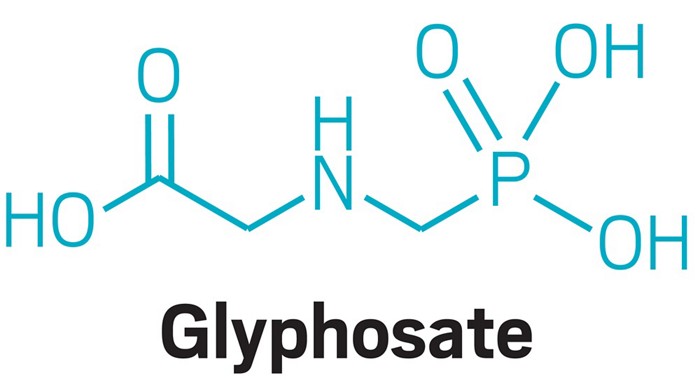
Glyphosate disrupts honey bee gut bacteria

Weed killer’s microbiome effects could contribute to honey bee decline, researchers say

by Megha Satyanarayana
SEPTEMBER 25, 2018

High-carbohydrates diet lead to weight loss, according to new study

PHYSICIANS COMMITTEE FOR RESPONSIBLE MEDICINE

Source : https://www.eurekalert.org/pub_releases/2018-09/pcfr-hdl092418.php

Full-Text