Carey Reams – Kathryn Kuhlman – The Holy Spirit Healings

4minutes 35seconds in, man very similar to Carey Reams talks to Kuhlman, about being able to hear again attending that fateful night.
The Holy Spirit Performing Miracles Through Kathryn Kuhlman

It is a real shame that the Author didn’t include Carey Reams case with Kuhlman in his book. In ‘Choose Life Or Death’ Reams recounts that he was at the brink of death, after suffering shrapnel piercing, and lodging in, his Pancreas during military service.

This genius biochemist was not able to heal himself, he reflected that he felt he was in his last week of life, this is what precipitated his attendance of Kathryn Kuhlmans Healing Service. Reams tells how he had no faith in a healing, but was given glowing reference by someone, and everything else had failed him.

As we see at the very start of the video at the top, Reams was healed by the Holy Spirit!

After this point in Reams life he appears to change quite significantly, he talks of focusing on healing a boy ceaselessly, for days, like a deep meditative reflection (it is my belief that in such situations, the person may be able to connect/touch the universal consciousness, people who encounter near death, such as Reams, appear to perhaps create a soul version of ‘muscle memory’, where subsequently they gain a significant enhancement in ability to connect again to this source).

He comes to a profound realisation, after this sequence of events, that he understands a set of biological variables, which when he tests with some reasonably simple tools, can deduce the biological energy status of the host. This is what he terms Reams Biological Theory of Ionisation (RBTI). This developed understanding and testing methodology, coupled with his background as an agronomist, saw him become famous locally.

Two local Hospitals began to refer lost causes to him, during the next years:

Reams said: We tested over 24,000 people in 1970-1971. Over 10,000 of those came to us as “terminal”. We lost five. Those five we couldn’t keep alive for 30 days. (10K were referred to him directly by doctors for hopeless cases. He worked directly with a Florida hospital and doctors, often with the “hopeless cases.”)

1 hour 10 minutes Carey Reams Full Praise For Healing
Beautiful
Kuhlman speaking on receiving her honorary Doctorate
Mental Attitude

Choose Life : I believe in miracles.

The Acid Test of Fluoride: How pH Modulates Toxicity

Abstract

Background

It is not known why the ameloblasts responsible for dental enamel formation are uniquely sensitive to fluoride (F). Herein, we present a novel theory with supporting data to show that the low pH environment of maturating stage ameloblasts enhances their sensitivity to a given dose of F. Enamel formation is initiated in a neutral pH environment (secretory stage); however, the pH can fall to below 6.0 as most of the mineral precipitates (maturation stage). Low pH can facilitate entry of F into cells. Here, we asked if F was more toxic at low pH, as measured by increased cell stress and decreased cell function.

Methodology/Principal Findings

Treatment of ameloblast-derived LS8 cells with F at low pH reduced the threshold dose of Frequired to phosphorylate stress-related proteins, PERK, eIF2α, JNK and c-jun. To assess protein secretion, LS8 cells were stably transduced with a secreted reporter, Gaussia luciferase, and secretion was quantified as a function of F dose and pH. Luciferase secretion significantly decreased within 2 hr of F treatment at low pH versus neutral pH, indicating increased functional toxicity. Rats given 100 ppm F in their drinking water exhibited increased stress-mediated phosphorylation of eIF2α in maturation stage ameloblasts (pH<6.0) as compared to secretory stage ameloblasts (pH∼7.2). Intriguingly, F-treated rats demonstrated a striking decrease in transcripts expressed during the maturation stage of enamel development (Klk4 and Amtn). In contrast, the expression of secretory stage genes, AmelXAmbnEnamand Mmp20, was unaffected.

Conclusions

The low pH environment of maturation stage ameloblasts facilitates the uptake of F, causing increased cell stress that compromises ameloblast function, resulting in dental fluorosis.

Full : https://journals.plos.org/plosone/article?id=10.1371/journal.pone.0010895

Moreless Alkalising & Remineralising Drink

Hi Ya’ll,

Enclosed is the recipe for the drink from the website which is now closed til a new site is up.
The Moreless Alkalizing Drink

Here’s a great alkalizing drink that can help
remineralise you quickly and cheaply!
This is an amazing power packed, mineral and nutrient
dense drink that will not only help to alkalize you, but
will give you loads of electrically charged energy! It may
be taken 2-3 times a day as needed.

Ingredients:
1. 1 tablespoon of blackstrap molasses (it may be Unsulphured )

2. Juice of half a lemon (OR 1 tablespoon apple cider vinegar if you can’t take citrus or get hold of lemons)

3. 1 + tablespoon pickling lime water (how to make pickling lime water : 1 tablespoon of pickling lime powder, aka calcium hydroxide, diluted in 1 gallon (=4 litre) of distilled water) *see safety notes below*

4. Small pinch of Epsom salts

5. Norwegian kelp powder 1 + teaspoons

6. 1 glass of clean water to mix it with

*** you can take a lot MORE pickling lime water and “Kelp”
than is suggested above. Start slow and if things don’t
improve, slowly build up. Some of us use up to 20
tablespoons of pickling lime water and up to 2
tablespoons of kelp powder each time ***

The chemical reaction between the acid in the lemon
juice and the alkaline minerals in the molasses releases
energy into the body and makes the minerals more
bioavailable.

Method:
*Dissolve the blackstrap molasses and epsom salts in
warm water (leave to cool if desired)

*Add 1 (or more) tablespoons of pickling lime water

*Add the lemon or ACV (I sometimes add both) Add these
only when the drink has cooled down, you don’t want to
destroy the enzymes

*Some people like to mix their kelp in with their drink,
some just put the kelp straight into their mouths
Special note on the kelp!: Most people find the taste
absolutely vile ?

it may help to moisten it and your mouth first so you
don’t gag! Some people use a straw to bypass the taste.
But this really is an essential part of the drink and is
packed with loads of minerals and complex carbohydrates,
so do what you need to do to get it down! And yes, kelp
is available in capsules, but the powder is much cheaper.

(This is an edit .. after several months of taking the
kelp powder, it no longer tastes so vile! I am becoming
immune to the taste – hooray!)
… And drink!

If you are chronically ill: I suggest you start with
with just a teaspoon of kelp and a tablespoon of the
pickling lime water along with all the other
ingredients. Over time, start building up on both those
ingredients until you can manage 2-3 teaspoons of kelp
and 2-4 tablespoons of the picking lime water in each
drink. You don’t have to drink it all at once, you can
also sip it over a few hours.

When someone has been chronically ill for a while, a
drink like this might create a powerful reaction and
start to release acids from organs and tissues too
quickly, that is why I am suggesting you start slow.
(Better to aim for minimal discomfort while you begin to
rebuild your health)
Can you make a batch in advance?

You can mix the Blackstrap Molasses, pickling Lime water
and kelp together without the Lemon juice or the ACV and
keep this cool – then add the ACV or Lemon juice just
before drinking. The batch should be ok for a day, but
not longer than two days. Fresh is best!
Heath Notes:

*Blackstrap molasses should be unsulphured. Sulphur is
acid forming.
*If using apple cider vinegar, buy organic and
unpasteurised (*with mother*) so full of active enzymes.
Otherwise, just find a good source of unpasteurised ACV.
*Pickling lime is normally found in the pickling/canning
section of shops. Your alternative is to buy calcium
hydroxide powder and put 1 tablespoon of the powder in 1
gallon of distilled water and use that as your pickling
lime solution.
*Buy food grade epsom salts.
*Kelp is apparently purest from Norway, and it is better
if it is finely powdered.
*If you are very acidic, you can also add a pinch of
epsom salts or a tablespoon of ACV with a tablespoon of
pickling lime water to your normal glasses of water (the
pickling lime provides calcium by the way).

I’ve been happily drinking the above 2-3 times a day.
And it has a buzz to it!
To keep your mineral reserves up, to every glass of
water throughout the day, you may also add a tablespoon
of pickling lime water (plus a dash of lemon or ACV)
The Moreless alkalizing drink is basically a very cheap
and effective method of creating alkalinity and is NOT
meant as a substitue for a wholesome diet with complex
carbs as is found in foods like green veges. The drink
is basically a method to get us more alkaline quicker,
but it is NOT the way to become alkaline totally, that
takes some effort!

What Moreless is presenting people here are various
options. Not everyone is prepared or able to go all the
way with eating right. So he is giving people easy and
cheap ways to kick start their healing whilst finding
their way at improving their diet, which will in turn be
the most important part of their healing. The kelp and
molasses are packed full of minerals that may be
difficult for people to find in the foods that are
available to them right now.
Moreless on the alkalizing drink: HERE
The Epsom salts, pickling lime water, lemon juice or ACV
create the electro-magnetic energy so that our bodies can make
the best use of the minerals.

** SAFETY NOTES ON CALCIUM HYDROXIDE ** (For those who
can’t get hold of the pickling lime water.)
CALCIUM HYDROXIDE (also known as – pickling lime
water/Ca(OH)2/slaked lime/biocalc/lime water etc.)

In concentrated powdered form, this stuff is a skin, eye
and respiratory irritant. It is CORROSIVE and causes
burns. Should you be using this concentrated form to
dilute with water before use, please protect yourself by
wearing safety glasses, gloves and minimize your
exposure to the dust itself.
There are no safety issues if you buy the pre made
pickling lime water.

Remember, the drink asks for 1 (to 4) tablespoon of the
diluted lime water – you take 1 tablespoon of the powder
and add it to a gallon of water. You do NOT add the
powder directly to your drink!

This powder is also incompatable with strong acids!

Start small and slow, and add more after checking your
response. We are all unique, so someone else’s ideal
doseage may not be the same as yours.

My suggestion is to make up your solution outdoors. This
powder is very fine and fluffy, it’d be easy to
accidently spill some on your kitchen or bathroom floor
for unsuspecting kids and pets to walk on.

More useful information about Calcium Hydroxide here:

http://en.wikipedia.org/wiki/Calcium_hydroxide

The following is as good a description of calcium
hydroxide as I can find (albeit it’s relating to use in
aquariums, but surely applicable when considering human
consumption):

“A preferred method of calcium supplementation comes in
the form of calcium hydroxide, known as “kalkwasser” to
reef aquarists. Calcium hydroxide has a chemical formula
of Ca(OH)2, in other words, it supplies one Ca+2 ion for
every two OH- ions. Calcium hydroxide can be mixed at
approximately 2 teaspoons [5.7g Ca(OH)2] per gallon (or
1.5g/L) of filtered freshwater to attain approximately
800mg/L calcium solution to be dripped slowly into the
reef aquarium. A beneficial side effect of using calcium
hydroxide is that the OH- (hydroxide) ions maintain the
pH of the aquarium by neutralizing acids present in the
aquarium, thereby helping to maintain (but not build)
the alkalinity in the aquarium. One could use pickling
lime, which is also calcium hydroxide.

Smile Tis your choice.

Chooselife Notes : Moreless is not talking third person here, there are somewhat un-obvious replies to forum questions mixed into this post. Website = http://www.sicknesshope.com

Carey Reams 1978 interview with ACRES USA on Hypoglycemia

ACRES USA: How widespread is hypoglycemia?

DR. REAMS: At least 20 million hypoglycemics is the estimate of Dr. Carlton Fredericks, president of the International Academy of Preventive Medicine. The problem is that the symptoms are almost identical with those of many varieties of mild, or even serious mental disturbances. Most doctors improperly diagnose hypoglycemia as a psychiatric disorder, a neurosis or worse. So they reach for a bottle of sedatives. Those few doctors who do suspect hypoglycemia use the glucose tolerance test. Unfortunately, this test is deeply flawed and cannot be relied upon.

ACRES USA: What is hypoglycemia?

DR. REAMS: Hypoglycemia is a particularly nasty disease in its effects on the sufferer. The dominant characteristics include tiredness and lack of energy, unusual nervousness and irritability, dizziness, and often the most excruciating headaches. It doesn’t sound like much, but when you have hypoglycemia, it’s almost impossible to perform well either on your job or in your marriage. On the one hand, you don’t have enough energy to do an adequate job or to cope with the strains of normal life. On the other hand, your nervousness and irritability makes you unpleasant to be with.  I’ve treated many hypoglycemics, even young men and women in their 20s, who were unable to hold down a job because of their disease. I’m convinced that hypoglycemia is one of the leading causes of divorce. If the disease makes you difficult to work with, it must make you almost impossible to live with.

ACRES USA: What are the other symptoms of hypoglycemia?

DR. REAMS: Well, insomnia is one. That of course adds to the victim’s lack of energy and nervousness. The inability to tolerate even mildly loud noises is another. If someone you know reacts particularly negatively—maybe starting to cry—to a dog’s barking or bottle dropping into a garbage can, that person may well suffer from hypoglycemia.  Hypoglycemics are also highly prone to allergies. Asthma attacks, too, can be precipitated by low blood sugar. One of the more exotic symptoms of low blood sugar is heart palpitations. You can feel your heart skip a beat and slow down. It feels as if your heart is trying to stop, Although these palpitations aren’t quite as intense as real angina pains, they’re understandably frightening, particularly since the hypoglycemia has made the person quite nervous to begin with. Dizziness and light-headedness are other symptoms of hypoglycemia: These can be particularly dangerous if you drive your car a lot. In a few cases, the dizziness is so extreme the person blacks out. Hypoglycemia frequently goes undiagnosed. The symptoms are all commonplace, like fatigue or headaches, so that most people don’t even know something is the matter with them. If they do go to a doctor, in many cases they won’t get relief beyond an aspirin because the doctors simply aren’t trained to spot it.

ACRES USA: What causes low blood sugar?

DR. REAMS: The true cause of hypoglycemia is a liver malfunction. In hypoglycemia, the liver malfunction affects you in several ways. To begin with, the liver is supposed to stabilize your blood sugar in several different ways: by storing sugar when there’s too much and releasing it when more is needed; by maintaining the right chemical balance for insulin—which is essential for proper maintenance of blood sugar levels; and by regulating the production of insulin by the pancreas. In hypoglycemia, the liver fails to properly convert excess sugar into reserve sugar, called glycogen. Because of this the liver doesn’t have enough reserve sugar to release when it’s needed. Moreover, the liver frequently allows the chemical balance of the blood to become too alkaline. This sharply increases the potency of the body’s insulin, which in turn then drives blood sugar levels down abnormally low. In other cases, the liver allows the blood to become too acidic. This decreases insulin’s potency, allowing the blood sugar to go too high. If you were healthy, your body would adjust the blood sugar back to normal. But when you’re hypoglycemic, your body overreacts and forces the blood sugar below normal. So in either case, an improper chemical balance in the blood-caused by a malfunctioning liver allows blood sugar levels to go below normal. In addition, when the liver malfunctions it fails to detoxify and remove various waste products from the body. These build up in the blood and also interfere with insulin’s ability to control blood sugar levels. Finally, when the liver malfunctions it allows the pancreas to produce too much insulin—which causes low blood sugar. This is the main reason for hypoglycemia.

ACRES USA: Why does hypoglycemia cause so many problems?

DR. REAMS: The liver malfunction causes low blood sugar. When your blood sugar is too low, your brain becomes starved for energy. This is because the brain burns only sugar, unlike other parts of the body which can burn either fats or sugars for energy. Natural consequences of a lack of fuel in the brain include the migraine headaches, dizziness, and the symptoms of mild mental disturbance. When the liver isn’t working properly, nutrients are not absorbed. So the patient is undernourished and it’s not surprising that he or she feels tired all the time. Likewise, when the .liver doesn’t work properly, it fails to produce enough hydrochloric acid for proper protein digestion. Urea, a waste product, builds up. This causes tension and insomnia. In turn, this leads to more fatigue, more headaches and more irritability—a vicious cycle. Finally, when the liver is weak, the body becomes hypersensitive to certain starches because it can’t metabolize them properly. It’s not necessarily all starches that cause problems, just some of them. Depending on the patient, it could be wheat, oats, potatoes or something else. Whatever the food, when the hypersensitive patient eats it, it breaks down too quickly into sugar. The blood sugar level, first soars too high, then plummets too low. This leads, as I pointed out earlier, to still more headaches and fatigue.

ACRES USA: What are the main reasons for this liver malfunction?

DR. REAMS: You could be deficient in chlorophyll, oxygen, or calcium—three nutritional elements essen­tial for the liver. When, for instance, the liver lacks calcium, it can’t produce enough hydrochloric acid to digest food properly. Another reason for a sluggish liver is that the person may be eating large amounts of certain foods which put stress on the liver. I’m referring to foods such as nuts & nut butters, meat, whole milk, and cheese. These foods require lots of hydrochloric acid for their digestion. The liver, which must produce the acid, wears down trying to meet the demand. Finally, the liver may malfunction because a person fails to drink enough pure water to keep the liver cleansed of wastes.

ACRES USA: Why is the glucose tolerance test not a reliable means of detecting low blood sugar?

DR. REAMS: First, the test itself is six hours long and is stressful. The stress and the patient’s natural nervousness about the test’s results can and often do affect blood sugar levels. Second, a person may not be sensitive to the glucose solution used in the test, but may be sensitive to other carbohydrates. In this case, the test will simply fail to detect the hypoglycemia. Third, the test only measures the levels of glucose in the blood. However, there are many other kinds of sugars besides glucose. If you don’t measure the total amounts of all kinds of sugars in the blood, you get an inaccurate reading. Fourth, the blood sugar can fluctuate so rapidly that even a series of readings won’t give you reliable data. Fifth, the patient’s blood sugar level may be normal most of the day, except for certain brief periods when it plunges too low. In such cases; the test will probably indicate a normal blood sugar—and miss the problem. Between these five factors, you can see that the glucose tolerance test will often give hypoglycemic readings when there are none; and vice versa, will often give “all okay” readings when hypoglycemia is actually present.

ACRES USA: Then how do you detect hypoglycemia?

DR. REAMS: We use the urine test. It measures the average blood sugar level by measuring urinary sugar levels. The sugar levels in the urine are relatively stable, so the urine test is superior to the glucose tolerance test in this respect. The urine test is non-stressful to the patient, so stress is eliminated as a factor. And the urine test measures all sugars, not just glucose. [Supplemental note: this test employs an ordinary brix refractometer.   According to the RBTI, a urine brix reading of 1.5 is perfect when all other equation numbers are perfect.]

ACRES USA: Can hypoglycemia be cured?

DR. REAMS: The program we recommend cures hypoglycemia in most cases. The secret is to correct the problem—liver malfunction—rather than to treat the symptom—low blood sugar. To correct the liver malfunction, we use the lemon water fast. The lemon water fast produces a rapid improvement in liver function. It also rejuvenates and detoxifies the body. As the body is detoxified and rebuilt, many hypoglycemics experience a “healing crisis” similar to what drug addicts go through in “withdrawal.” Nausea, vomiting and blackouts often occur. Vomiting is just one of the means by which the body rids itself of the poisons accumulated over the years. The blackouts occur, paradoxically, because the body is getting well so rapidly. What happens is that the liver begins to produce many previously lacking enzymes which are needed by the pancreas. When the pancreas suddenly receives this wealth of enzymes, it overreacts and for a short time produces too much insulin. This drives the blood sugar down too low and can cause a blackout. It’s unfortunate, but it is part of the natural healing process. Because the lemon water fast is so powerful, I want to warn all that no person should undertake this fast unless he or she first takes the urine test. Only then can one tell whether it is safe for them to do it without supervision.

ACRES USA: What happens after the fast is completed?

DR. REAMS: Each person is different. However, the general guidelines we follow include a fairly low-fat, low protein diet high in natural carbohydrates. The diet includes grains, vegetables and fruits. Clean meats are allowed several times a week according to the kind of job the person holds. People in physically demanding occupations may require more meat than others. The diet is generous in what it allows. However, we do restrict certain foods to try to eliminate those carbohydrates to which the patient is hypersensitive. We usually remove the Irish white potato from the diet since many, many patients are hypersensitive to it. Another natural organic food which, seems to be harmful to many hypoglycemics is—surprisingly—honey. So often we eliminate honey from the diet, too. Many people who have no problem with one kind of starchy food cannot tolerate similar though somewhat different foods. For example, many people do just fine, with sweet potatoes but are hypersensitive to white potatoes. Others can tolerate maple syrup, yet are hypersensitive to honey. An integral part of the daily diet is fresh raw green salads. This is to supply chlorophyll which the liver needs to produce enzymes. Vegetables rich in chlorophyll include such things as lettuce, escarole, endive, romaine, comfrey, spinach, celery tops, onion tops, green beans and so forth. Chlorophyll in the form of “green drinks” is also important. Take the same type vegetables you used in your salad and juice them with a vegetable juicer or a blender.

ACRES USA: What else do you do to help the hypoglycemics?

DR. REAMS: One of the most important is the distilled water cleansing program. Although most people don’t realize it, they have a lot of sugar—including white sugar; sugar from honey; and sugar from fruit—packed into their muscles and fatty tissues. It’s packed in there because their sugar metabolism wasn’t functioning properly. Their body neither burned those sugars for energy nor excreted them. Until these stored sugars are flushed out of the system, the body may release them into the blood at any time, disrupting the blood sugar level. The distilled water cleansing program is designed to rid the body of these sugars—thus clearing the way for a stable blood sugar level. Next, we recommend that the patients take Min-Col, which is one of the finest mineral supplements available. You can never be sure that the vegetables and meats you eat contain essential minerals. Therefore, we suggest Min-Col capsules, which contain minerals in the same form as in fruits and vegetables. Then we tell patients to eat their fruits and starchy foods before two in the afternoon. Your body needs energy earlier in the day, not towards evening and bedtime. If starchy foods and fruits are eaten after 2 pm, the energy that’s released is not completely used, and the sugar builds up in the bloodstream. Finally, we insist that everyone get plenty of fresh air and do deep breathing exercises daily. This is to assure that your body gets plenty of oxygen.

“The high protein diet only provides temporary relief, but is not a cure.”

[ACRES OR HEALTHVIEW]: What do you think of the popular high-protein diet?

REAMS: I know some people feel better on the high protein diet. However, the high protein diet only provides temporary relief but is not a cure.

The short-term relief occurs because the diet eliminates many carbohydrates to which the patient was hypersensitive. However, by itself, the high protein diet does nothing to correct the malfunctioning of the liver and pancreas.

Moreover, over the long-term, the diet can actually worsen the problem. This is because large quantities of hydrochloric acid are needed to digest all the protein. The liver begins to wear down trying to meet the demand. As we’ve seen, it is this liver malfunction that originally causes hypoglycemia.

Finally, on the high protein diet, urea builds up due to poor protein digestion. This leads, as we saw last time, to explosive tension and heart attacks. Ironically, some hypoglycemic die from heart attacks brought on by the high protein diet, the commonly accepted cure.

[ACRES OR HEALTHVIEW]: How well does your program work, Dr. Reams?

REAMS: So far I have worked with several thousand patients and the great majority of them are now totally free of hypoglycemia.

Many of them see improvement only several days after starting the program. The first sign of health generally appears when the tongue once again assumes a healthy pink color. After that, the pale, worn-out look disappears and the color returns to the face. Wrinkles seem to vanish, almost as if the patients had a face lift.

Within a few weeks, the patients are amazed at how well they feel. The fatigue, tension and irritability are gone. Their zest for life comes back. The patients become easy to get along with and a joy to be around. With their newfound energy, they go back to the jobs and do, as a rule, far better than ever before.

One patient said, “It feels as if I were just born again.” Another recent one thanked me and said simply, “What blessed relief.” I have received hundreds of other notes and comments like these.

[ACRES OR HEALTHVIEW]: One last question, before we go on to diabetes. How permanent is this improvement? I mean, once the patients leave you, does the improvement stick?

REAMS: Generally yes. Once the hypoglycemics are well, the improvements are permanent, provided they stick to the program. Once the liver and pancreas are functioning properly, the patients can go from meal to meal – five hours apart – without a single snack. They can eat a wide variety of foods – including many carbohydrates – without fear of low blood sugar. Incidentally, the craving for sweets disappears for good. How long does this improvement last? Some of my patients who were treated ten years ago still keep in touch regularly. They’re doing fine.

“{Diabetes} often leads to blindness, loss of limbs and even to fatal heart disease.”

[ACRES OR HEALTHVIEW]: Turning now to the opposite condition, high blood sugar or diabetes, what are the symptoms?

REAMS: Many of the symptoms are similar to those of hypoglycemia. The victims are tired and lack energy. They’re unusually nervous and, like the hypoglycemic, quite unstable. Diabetics suffer from headaches, dizziness and lightheadedness. Like hypoglycemic, diabetics have notoriously “sweet tooths.”

However, diabetes is far more severe than hypoglycemia.

It often leads to blindness, loss of limbs and even to fatal heart disease. As you mentioned earlier, diabetes is the third worst killer in America, claiming over 300,000 lives a year.

Eye problems begin with blurred vision and pressure behind the eyes. Frequently, the eyeballs become dilated. If the condition is not corrected, all vision can be lost permanently. Indeed, diabetes is the leading cause of blindness in adults.

One little diabetic boy, just 14 months old, was well along the way to losing his vision. His eyes were puffy and swollen and looked as if they were going to pop out of his head. If his condition had not been corrected, this child would have been blind by the time he was ten.

Loss of limbs can and does result from seemingly minor skin rashes, cuts or sores. As the diabetes worsens, these take longer and longer to heal – sometimes months for a minor nick or scratch. Eventually, they don’t heal at all. Instead, gangrene sets in and amputation is the only way to save the person’s life.

Sexual problems are another unfortunate result of diabetes. Several studies show that 25% to 50% of male diabetics are impotent – percentages which are far higher than among healthy males.

Female diabetics fare even worse. Their genitals become itchy and infected with fungi. Quite often, they complain about foul smelling discharges from their urogenital tract.

Circulation problems are frequent among diabetics. As you’d expect, poor circulation leads to heart problems. Indeed, it’s well-established that diabetics are quite prone to heart attacks.

[ACRES OR HEALTHVIEW]: And don’t most diabetics have excessive thirst?

REAMS: Oh, yes, thank you. Diabetics often drink enormous quantities of liquids. As a result, they must urinate frequently. Certainly not serious, but quite an inconvenience on the job, while traveling, or when you are trying to sleep.

[ACRES OR HEALTHVIEW]: How does diabetes cause so many problems?

REAMS: It’s much the same mechanism as hypoglycemia – liver malfunction. The liver fails to stabilize blood sugar; fails to maintain the proper pH of the blood; and fails to process and absorb nutrients properly.

In diabetes, the liver frequently allows the blood to become too acidic. This reduces the potency of the body’s insulin. The consequence is that, overall, there is too much sugar in the blood.

[BEGIN JESSE PART OF INTERVIEW HERE]

However, the blood sugar level may fluctuate widely, plummeting down for short periods of time to abnormally low levels and then coming back up again. This occurs because the liver and pancreas are weak, and as a result, they continually overreact – first to high blood sugar levels and then to low blood sugar levels. These extreme blood sugar fluctuations disrupt the brain’s activity. It loses its ability to regulate the use of salts and sugars.

As a result, mineral salts accumulate in the blood vessels. This causes hardening of the arteries.  Simultaneously, various sugars accumulate in the tissues. This causes excessive thirst. It’s just your body’s natural cleansing mechanism telling you to flush out these excessive sugars.

ACRES: And why do cuts fail to heal? [This question & answer not in Dr. Jesse’s transcript]

REAMS: Liver malfunction prevents the proper absorption and use of vitamin A, which leads to a vitamin A deficiency. As you probably know, vitamin A is essential for proper healing. The lack of it is a major cause of the frequent rashes diabetics suffer and the reason why their cuts and sores fail to heal.  The lack of vitamin A is also the primary reason for the vision problems diabetics suffer. It is well known that vitamin A is essential for your eyes.

The reason why diabetes causes the sexual problems I described earlier isn’t completely known. However, there is research indicating that the diabetic’s liver malfunction causes a hormonal imbalance which could cause the problem.

ACRES: If both diabetics and hypoglycemics suffer from a liver malfunction, then what is the difference between the two diseases? [This question & answer not in Dr. Jesse’s transcript]

REAMS: Actually, hypoglycemia – low blood sugar – is just the forerunner of diabetes. If hypoglycemia goes undetected and untreated, it frequently degenerates into fully developed diabetes,

In diabetes, the liver malfunction is more severe than in hypoglycemia. Because of this severe liver malfunction, diabetics suffer from both high and low blood sugar, since their blood sugar may fluctuate widely up and down. For example, we had one diabetic patient whose blood sugar level fluctuated between 300 and 50 in just a few hours.  Diabetes, therefore, is characterized not only by the finding of high blood sugar, but also by the severity and frequency of blood sugar fluctuations.

There is one other factor that makes diabetes so much more severe than hypoglycemia. Ironically, it’s the treatment recommended by the medical orthodoxy – injected insulin.

Insulin can cause tremendous damage, In fact, its continual use may bring about an early death.

ACRES: Would you please explain why you say something like that? [This question & answer not in Dr. Jesse’s transcript]

REAMS: Yes, there are many reasons why insulin is so dangerous.

The insulin the doctors give doesn’t act the same as the insulin naturally produced by your own pancreas.  This induced insulin forms a crystalline salt which oxidizes and hardens the walls of the blood vessels. The result is hardening of the arteries.

One of our neighbors had a twelve year old girl who had been on insulin since she was two years old. The insulin had created severe hardening of the arteries in her brain. A blood vessel burst in her brain, causing cerebral hemorrhage which killed her.

Whenever young children receive insulin injections over a period of years, great damage is done. Insulin should never be used on children except as a last resort.  Diabetic children respond to diet. I’ve helped thousands and not a single one required insulin.

Another problem is that the doctor’s insulin usage never perfectly matches the requirements of the patient. Some days you consume more starches and sweets than other days. Some days, you over-exercise and consume more energy than at other times. It’s almost impossible to measure the insulin dosage to keep up with the body’s precise needs.

So, often the diabetic’s insulin dosage will be too high. As a consequence, the patient’s blood sugar level is forced down too low – with all the problems that that creates. And particularly, when the insulin dosage is too low, another set of problems is created.

Still another problem is that the system slowly releases insulin into the muscle tissues. When the body turns the insulin loose, you get insulin shock as the blood sugar is driven too low.

Finally, in many cases, the body tissues become saturated with insulin. In these cases, the body can’t effectively use any more injected insulin. When a patient reaches this point, it’s possible for the muscle tissues to release a fatal dose of insulin into the bloodstream.

Before any patient takes insulin, he or she should be aware of all the problems it causes. The dangers of injected insulin shows the fallacy of trying to control blood sugar by external means – instead of helping the body to regulate it naturally. We find that improving the body chemistry almost always brings results.

ACRES: So, what do you do to help the diabetics? [This question & answer not in Dr. Jesse’s transcript]

REAMS: Since diabetes – like hypoglycemia – is caused by a liver malfunction – we use the same basic program to handle it.  We use the lemon water fast to improve the liver function; we use the distilled water cleansing program to flush toxins from the tissues.

From a 1977 Reams Lecture: You can write volumes and volumes about a malfunctioning pancreas but it is always due to a mineral deficiency.

Low or High blood sugar is not caused by what you eat. It is a malfunction of the pancreas which is a malfunction of the liver.  All malfunction of the liver is a mineral deficiency.

Then we use the same dietary program to correct deficiencies in minerals and chlorophyll and to rebuild the patient’s body. As with hypoglycemia, we insist on fresh air and exercise.

However, one difference between the care of hypoglycemics and diabetics is that diabetics have to reduce and eventually eliminate their own insulin dosage. This is something we cannot and will not do for any patient. However, patients do not find this a hard task. Once their liver function improves, their insulin requirements drop sharply, often in a matter of days.

For example there was one 40 year old diabetic man who had been on 120 units of insulin per day. By the fourth day, he was down to 30 units of insulin. By the sixth day, he felt a surge of energy which he had not felt in years. By the tenth day, he was off insulin completely, and returned home. He remains on the diet and has been checking with us regularly.  So far, he has been off insulin for over two years.

There was the diabetic man who was 100 pounds over-weight, and who couldn’t walk a hundred feet without having to sit down and rest. He had been on insulin for 20 years, 120 units a day. We gave him a diet and he regulated his insulin shots himself.

Several months later, his excess weight was gone and he was walking several miles a day. He felt 20 years younger and was just ecstatic about being off insulin. So far, this man has been off insulin for almost a year. It he continues on the program, he’ll never have to go back on insulin.

We also cared for a 32 year old diabetic mother; the wife of a doctor and herself a registered nurse. Her blood sugar was out of control in spite of the fact that she took insulin. Indeed, whenever she took insulin, it would drive her blood sugar down so fast and so low that she began to shake. She had lost so much weight that she was a pitiful sight to look at.

Today she is back at home and has been off insulin for more than three months. Although I still don’t consider her completely well, I think she has made enormous progress. She now looks simply marvelous and bubbles with enthusiasm.

Finally, I recall the little 3 year old boy – a full fledged diabetic who was brought here by his mother. He sat around all day and never felt like playing. In five days his blood sugar was down to normal, and three days later he was ready to go home.

So you see, our program has worked for thousands of diabetics, as well as hypoglycemics. This is because we correct the main cause of blood sugar problems – liver malfunction.

ChooseLife Notes : Bold sections added by ChooseLife.

In Choose Life Or Death, Carey Reams describes his recommendation for the Pancreas to function and meet it’s daily requirements of insulin production, this was 3oz of green juice. This would have been many years ago, plus Reams was a world class agronomist, this leads me to presume that nowadays it may require a multiple of this value, 6oz’s or more. Reams would have been feeding patients high brix green smoothies, having tested the quality of many fruits and vegetables nowadays here in the UK, it may take an even higher amount.

Carey Reams lost a large portion of his Pancreas due to shrapnel during service in WWII, he lived some 40+ years (to 82) with around 50% functioning Pancreas.

Calcium – Chlorophyll – Oxygen

Infection and pH

Meridian Institute News Vol. 7 No. 3 May, 2003

pH-Dependent Viruses

   For over five years researchers at Meridian Institute have been looking into the connection between pH (acid/alkaline) balance and viral infection – a link noted by Edgar Cayce in several of his psychic readings. With the recent epidemic of severe acute respiratory syndrome (SARS) and continued concerns about common conditions such as colds and flu, our interest in this field has expanded to explore basic science and clinical projects to test the Cayce hypothesis.  Here is an overview of what we have found so far and where we are headed.  Some simple preventive measures will also be discussed. 


Understanding Viruses


    Viruses are extremely small parasitic life forms, the smallest living things on Earth. In essence, a virus is a minuscule pocket of protein that contains genetic material.

    Although viruses can remain dormant outside a living body, they only become active when in contact with live tissue. Once a virus infects a cell by penetrating the cell membrane, it can either lay dormant (lysogenic infection) or begin reproducing itself (lytic infection – the more common pattern).  When a cell becomes full of virus, it bursts releasing the virus to infect other host cells.

    A wide variety of diseases are caused by viruses including the common cold, flu, warts, measles, hepatitis, herpes, smallpox, and AIDS.  SARS is just the latest in a long list of viral parasites.

    Unlike bacteria that can usually be effectively treated with antibiotics, viral infections are often unresponsive to modern medical treatment.  If the virus causing a disease has been discovered, a serum may be developed to provide inoculation against that specific virus.  The most common approach to virus protection is to avoid contamination by infected individuals. 
 Viral pH Dependency

    Laboratory experiments (in vitro) have confirmed that many viruses require a mildly acidic environment to attack host cells.  At Meridian Institute we are interested in determining exactly how this physiological fact manifests within the human body (in vivo). Understanding the role of pH balance in viral infections may provide preventive and therapeutic breakthroughs for dealing with epidemics including the recent outbreak of SARS.

    To appreciate the relevance of pH for viral infection, let’s first review some facts about acid/alkaline balance.  The acid/alkaline continuum ranges from 0-14 with 7 as neutral. The lower end of the scale (below 7) is acid and above 7 is alkaline.

    Acid/alkaline balance is extremely important to normal physiology. For example, the blood will maintain a slightly alkaline range of 7.35 to 7.45. Extended pH imbalances of any kind are not well tolerated by the body. The management of the pH factor is so important that the body’s primary regulatory systems (especially breathing, circulation, and eliminations) closely regulate acid-alkaline balance in every cell and system.

    Certain viruses (including the rhinoviruses and coronaviruses that are most often responsible for the common cold and influenza viruses that produce flu) infect host cells by fusion with cellular membranes at low pH.  Thus they are classified as “pH-dependent viruses.”

    Drugs that increase intracellular pH (alkalinity within the cell) have been shown to decrease infectivity of pH-dependent viruses.  Since such drugs can provoke negative side effects, the obvious question is whether more natural techniques can produce the same result. 
 Possible Relevance to SARS
    The World Health Organization has concluded that SARS is produced by a new virulent strain of coronavirus. Specific research on the possible pH dependency of the SARS virus has not yet been done.  It is well known that coronavirus infectivity is exquisitely sensitive to pH.  For example, the MHV-A59 strain of coronavirus is quite stable at pH 6.0 (acidic) but becomes rapidly and irreversibly inactivated by brief treatment at pH 8.0 (alkaline).  Human coronavirus strain 229E is maximally infective at pH 6.0.  Infection of cells by murine coronavirus A59 at pH 6.0 (acidic) rather than pH 7.0 (neutral) yields a tenfold increase in the infectivity of the virus.

    If the strain of coronavirus responsible for SARS shares the pH characteristics of these other coronaviruses that are pH-dependent, this could be a valuable clue to effective prevention and treatment strategies for this frightening epidemic. Perhaps keeping a balanced or slightly alkaline pH environment for the body’s tissues can provide viral protection or enhanced healing for SARS and common viral agents that cause respiratory infections. 
 Edgar Cayce’s Recommendations
    Edgar Cayce affirmed the importance of pH balance with regard to common viruses that cause colds and flu.  Cayce repeatedly insisted that such infectious agents do not thrive in an alkaline environment. When asked how to prevent colds, Cayce replied, “by keeping the body alkaline. Only in acids do colds attack the body.” (3248-1)

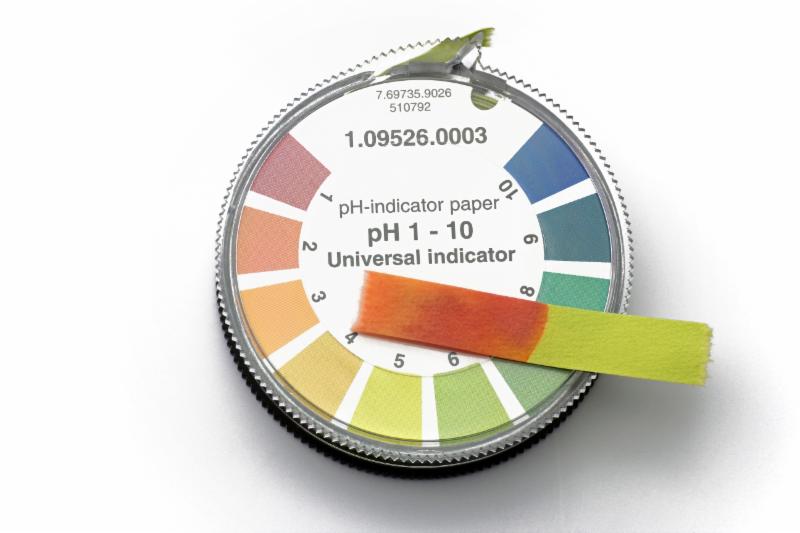
    Cayce recommended using litmus paper to test the pH of urine and saliva as an indication of the pH balance of the body.  We now have more precise means for monitoring pH in the form of pH paper and digital pH meters.

    As a practical preventive measure, Cayce’s suggestions for alkalizing the body emphasized eating an abundance of fresh fruits and vegetables, especially salads:   “…  if an alkalinity is maintained in the system – especially with lettuce, carrots and celery, these in the blood supply will maintain such a condition as to immunize a person.”  (480-19)  Consuming citrus fruit and juices was also a common alkalizing suggestion in the readings that addressed concerns about cold and flu infections. 
 Meridian Institute Research
    We reported a preliminary study on dietary effects of urine pH in January 1999 (Vol 3 No 1). The study was done to test Edgar Cayce’s recommendations for testing urine as a marker for systemic pH balance.  Our conclusion was that following Cayce dietary recommendations of eating primarily alkaline-producing foods (such as fruits and vegetables) does indeed tend to alkalize the urine.

    We have contacted leading researchers in the field of rhinovirus infection studies to make them aware of the possible role of acid/alkaline balance and seek feedback on how to do scientific studies to test the Cayce hypothesis in vivo – with human subjects.  If it turns out that SARS is produced by a pH-dependent coronavirus, we will certainly make sure that the clinical researchers who do in vivo studies of viral infections are made aware of this potentially important factor.

    Rhinovirus infection studies are done at several leading universities, usually to test the effectiveness of drugs that may help to prevent or relieve the symptoms of colds.  Small amounts of solution containing rhinovirus are dropped into the noses of subjects to intentionally infect them under controlled conditions.  Interestingly, about five to fifteen percent of subjects do not get colds even when the virus is carefully placed onto the nasal mucosa.  Could it be that the pH of the resistant subject’s nasal mucosa is alkaline (or neutral), preventing the rhinovirus from infecting the cells inside of the nose?

    There have been several published studies on nasal mucosal pH with varying results.  Some researchers have concluded that the pH of nasal secretions vary with sleep, rest, ingestion of food, emotional states, and menstrual cycles.  Other scientists, using different technology, have failed to confirm these results.  Clearly much work needs to be done in this area to establish consistent outcomes.

    We have tested equipment from two of the leading companies that sell devices that can measure nasal pH and have learned that there is significant variability in the instruments, apart from the complexities of measuring pH in different people and within the same person over time.

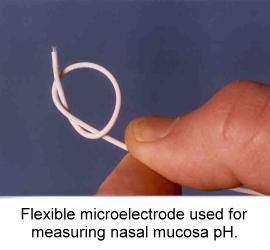
    The picture on page 1 shows a pH sensitive microelectrode that we are currently using to measure nasal mucosa pH.  The device was developed for insertion through the nose and down into the esophagus in acid reflux patients.  Since the system is already FDA approved for measuring pH in humans by insertion via the nasal cavity, it is ideally suited for our purposes.  This particular model seems to be more sensitive and accurate than one we tested from another leading supplier of this type of instrument.

    So far we have done a series of nasal mucosa pH measurements on two individuals.  One of the notable outcomes from our preliminary efforts in this area is that psychological stress can have profound effects on nasal mucosa pH, causing a major drop (acidification) in pH. We will be doing more work with nasal mucosal pH with additional subjects to determine the possible relevance of this measure with regard to upper respiratory viral infection.  We are also hoping to be able to do a collaborative study with established researchers who regularly conduct in vivo studies involving intentional infection with rhinovirus (the “common cold”) to explore the possible connection between life-style factors (such as diet) and the infectivity of pH-dependent viruses. 
 

Source : https://www.meridianinstitute.com/newslet/Vol7-3/7-3.html

Infection and pH

This is the first in a series of essays, or articles, related to terrain (pH chiefly). Areas of chief interest in Bold.

Viral Infections are pH Sensitive

Published on September 1, 2014
Author: Dr Sirius

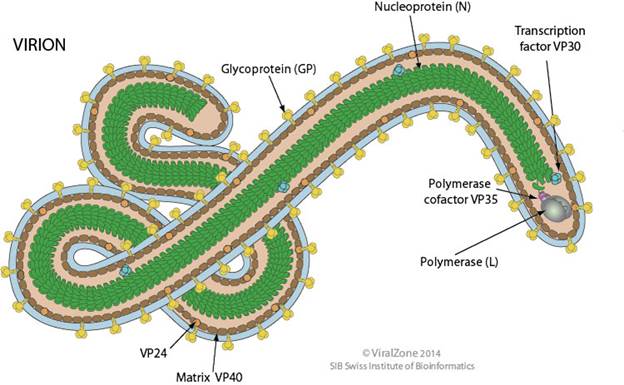
http://education.expasy.org/images/Filovirus_virion.jpg


Filamentous 790 nm long for Marburg virus and 970 nm long for Ebola virus. Diameter is about 80nm.

According to doctors at the Broad Institute of MIT and Harvard University Ebola is becoming harder to treat because rapid mutation could “render treatment and vaccines ineffective.” American scientists indicate that the initial patients diagnosed with the virus in Sierra Leone revealed more than 300 genetic modifications.

Traditional approaches to Ebola are being outclassed by the virus so we have to turn to more fundamental approaches that will stop the virus no matter what its gene sequence mutates to. Blasting Ebola with waves of alkalinity will work because many if not most viruses require a mildly acidic environment to infect the cell. They require mild acidity for maximum infectivity.

Viruses are extremely small parasitic life forms, the smallest living things on Earth. In essence, a virus is a minuscule pocket of protein that contains genetic material. Although viruses can remain dormant outside a living body, they only become active when in contact with live tissue. Once a virus infects a cell by penetrating the cell membrane, it can either lay dormant (lysogenic infection) or begin reproducing itself (lytic infection – the more common pattern). When a cell becomes full of virus, it bursts, releasing the virus to infect other host cells.

Certain viruses (including the rhinoviruses and coronaviruses that are most often responsible for the common cold and influenza viruses that produce flu) infect host cells by fusion with cellular membranes at low pH. Thus they are classified as “pH-dependent viruses.”

Fusion of viral and cellular membranes is pH dependent. “The plasma membrane of eukaryotic cells serves as a barrier against invading parasites and viruses. To infect a cell, viruses must be capable of transporting their genome and accessory proteins into the host cell, bypassing or modifying the barrier properties imposed by the plasma membrane. Entry into the host cells always involves a step of membrane fusion for enveloped animal viruses. Other enveloped viruses such as orthomyxoviruses, alphaviruses or rhabdoviruses enter the cells by the endocytic pathway, and fusion depends on the acidification of the endosomal compartment. Fusion at the endosome level is triggered by conformational changes in viral glycoproteins induced by the low pH of this cellular compartment.”[1]

In membrane biology, fusion is the process by which two initially distinct lipid bilayers merge their hydrophobic cores, resulting in one interconnected structure. The conformational transition occurs in a narrow pH range, corresponding to the optimal pH of fusion, in which the protein acquires the ability to interact with detergent micelles and lipid vesicles. This interaction leads to the insertion of the fusion peptide into the membrane, where a pore is formed. It has been suggested that the hepatitis C virus (HCV) infects host cells through a pH-dependent internalization mechanism. This HCVpp-mediated fusion was dependent on low pH, with a threshold of 6.3 and an optimum at about 5.5.[

When pH drops to 6 or below, rapid fusion between the membranes of viruses and the liposomes occurs. This results in the transfer of viral nucleocapsids into the liposomes. Ebola virions are taken into endothelial cells via macropinocytosis. After their formation, macropinosomes move further into the cytoplasm to acquire new markers or fuse with other vesicles of the standard endolysosomal pathway. This eventually moves the Ebola virions to more acidic compartments such as early and late endosomes that assist in the pH dependent fusion of viral and cellular membranes.[3] During this process, the cell detaches from its neighbors and loses contact with its basement membrane thanks to a mechanism of glycan mediated steric occlusion by GP.[4] The newly created particles then leave via lipid rafts, leaving a destabilized vascular system responsible for the massive blood loss characteristic of Ebola patients.[5]

Induction of Poliovirus Entry by Exposure of the Cells to Low pH

In the case of a number of enveloped viruses and diphtheria toxin, the acidic vesicles can be bypassed if cells with surface-bound virus or toxin are exposed to low pH. Under these conditions entry apparently occurs directly from the cell surface. Scientific investigation indicates that low pH is indeed required for the entry of poliovirus. The ability of cells to alter poliovirus in the presence of monensin was strongly increased at low pH. The main finding of one study is that a strain of poliovirus type 1 requires low pH for injection of its genome into the cytosol.[6]

Coronavirus infectivity is exquisitely sensitive to pH.  For example, the MHV-A59 strain of coronavirus is quite stable at pH 6.0 (acidic) but becomes rapidly and irreversibly inactivated by brief treatment at pH 8.0 (alkaline). Human coronavirus strain 229E is maximally infective at pH 6.0. Infection of cells by murine coronavirus A59 at pH 6.0 (acidic) rather than pH 7.0 (neutral) yields a tenfold increase in the infectivity of the virus.

Acidic extracellular pH activates secreted lysosomal enzymes that have an optimal pH in the acidic range.[7] Hypoxia and extracellular acidity are, while being independent from each other, deeply associated with the cellular microenvironment  and the spread of cancer. Intracellular pH is generally between ~6.8 and 7.4 in the cytosol and ~4.5 and 6.0 in the cell’s acidic organelles. Unlike intracellular free Ca2+ concentrations, which can rapidly change by perhaps 100-fold, pH inside a cell varies by only fractions of a pH unit, and such changes may occur quite slowly.

Inhibition of vesicular stomatitis virus (VSV) replication in LB cells by interferon (IFN) is pH sensitive. Using sensitive intracellular pH (pHi) indicators, researchers found that IFN treatment significantly raised the pHi. The increase in pHi correlated with an enhancement of the antiviral activity of IFN by primary amines. These results indicated that the IFN-induced increase in pHi may be responsible for the accumulation of G in the TGN, thereby producing G-deficient virus particles with reduced infectivity.[8]

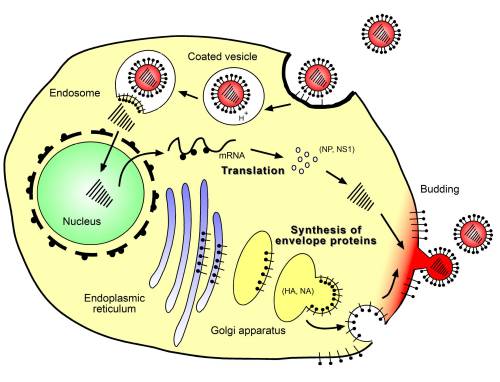
http://www.influenzareport.com/ir/images/image26.jpg

It is the low pH inside the endosomes (pH 5–6), maintained by proton pumps within the endosomal membrane, that triggers the fusion reaction between the viral envelope and the endosomal membrane. This is a key step in the viral infection mechanism. At low pH, a major conformational change in the HA spike is induced.

Once bound, influenza enters the host cell by endocytosis. The internalization of influenza virus is not a simple process and can be highly cell-type dependent. Viruses have been shown to enter cells by both clathrin-dependent and clathrin-independent endocytosis, as well as by macropinocytosis. Acidic environments of the endosome triggers conformational changes in HA that expose the fusion peptide, allowing for viral-endosomal fusion.[9] Exposure to low endosomal pH is also necessary for release of the individual viral ribonucleoproteins (vRNPs) from the Viruses matrix (M1) protein.

As it is with viral infections it is with cancer. The external pH of solid tumors is acidic as a consequence of increased metabolism of glucose and poor perfusion. Acid pH has been shown to stimulate tumor cell invasion and metastasis in vitro and in cells before tail vein injection in vivo.[10]

Drugs that increase intracellular pH (alkalinity within the cell) have been shown to decrease infectivity of pH-dependent viruses. However pharmaceutical  drugs that do this can provoke negative side effects. Sodium bicarbonate is the best way to increase pH in clinical emergency conditions and has been known as far back as the Spanish Flu pandemic of 1918 to save lives.

The proven value of Arm & Hammer Pure Bicarbonate of Soda as a therapeutic (healing) agent is further evinced by the following voluntary testimony of Edward R. Hays, M.D. , in his latter no the Church & Dwight Company:

In 1918 and 1919 while fighting the ‘Flu’ with the U.S. Public Health Service it was brought to my attention that rarely anyone who had been thoroughly alkalinized with Bicarbonate of Soda contracted the disease, and those who did contract it, if alkalinized early, would invariably have mild attacks. I have since that time treated all cases of “Cold,” Influenza and LaGripe by first giving generous doses of Bicarbonate of Soda, and in many, many instances within 36 hours the symptoms would have entirely abated.

Further, within my own household, before Woman’s Clubs and Parent-Teachers’ Associations, I have advocated the use of Bicarbonate of Soda as a preventive for “Colds,” with the result that now many reports are coming in stating that those who took “Soda” were not affected, while nearly everyone around them had the “Flu.”

“Besides doing good in respiratory affections, Bicarbonate of Soda is of inestimable value in the treatment of Alimentary Intoxication, Pyelitis (inflammation of the pelvis), Hyper-Acidity of urine, uric acid disturbance, rheumatism and burns. An occasional three-day course of Bicarbonate of Soda elimination increases the resisting power of the body to all Infectious Diseases.

Dr. Volney S. Cheney reported[11] that, “A number of cases of colds of varying severity were carefully studied in the laboratory. Observation was made as to the degree of acidity of the urine; the CO2, combining power of the blood as an indicator of the alkaline reserve; tests were also made to determine the calcium content of the blood, the sugar content; non-protein nitrogen and the basal metabolism. The urine invariably carried a higher degree of acidity than the normal-in some cases as high as 800 (normal 350); the CO2 combining power of the blood in all cases was low, the highest being 52 per cent; the sugar content of the blood was generally decreased (below 100 mg. per 100 c.c.); the metabolic rate was always on the minus side. (These cases were carefully selected because of their lack of any symptoms of disturbed thyroid activity.) There is a change in the blood chemistry and, consequently, there must be a change in the tissues supplied by the blood. There is a decrease in the bicarbonates or reserve bases contained in the blood plasma and the tissues. These findings seem to point the way to the conclusion that a cold is a disturbance of the alkaline balance or reserve, in other words, a mild acidosis, or perhaps better stated, a lessening of the “buffer” action of the blood plasma through a decrease in its bicarbonate content.”

Sodium bicarbonate is the important medicine because it gives more carbon dioxide to the body and especially the blood in the form of bicarbonates. Bicarbonate in the blood is easily turned into carbon dioxide (CO2) and the reverse is true in biochemical reactions that happen almost at the speed of light. The bottom line to what happens when one takes sodium bicarbonate orally is that it turns to CO2 in the stomach driving bicarbonates into the blood, which helps more blood and oxygen delivery to the cells.

After doing his experiments, Dr. Cheney reported: “I have been able to induce all the symptoms of a cold, in varying degree from a simple coryza to that of la grippe and the “flu,” by the induction of an artificial acidosis through the administration of ammonium and calcium chlorides. The degree of severity of the symptoms was in direct ratio to the degree of acidosis induced. In the more severe degree of acidosis, all the classical symptoms of the “flu” were present, even including a low degree of fever. The symptoms rapidly subsided upon the administration of sodium bicarbonate in large doses by mouth and by rectum.

Sodium Bicarbonate is one of the most flexible medicinals in terms of methods and modes of administration. It can be injected in emergency room situations, taken orally, nebulized, used transdermally as a lotion or paste, put in enemas and in larger quantities in therapeutic baths. Just dissolve it in water or when treating cancer it can also be mixed with Blackstrap Molasses, maple syrup, or a good honey as well as with lemon or mix with citric acid for use in baths or when making your own bath bombs.

There is no question that plasma bicarbonate concentrations are shown to increase after oral ingestion. The most important effect of bicarbonate ingestion is the change in acid-base balance in biological fluids. In Europe, spa-goers drink bicarbonate-rich water to heal ulcers, colitis and other gastric disorders. Ingesting bicarbonate by way of bathing stimulates circulation, possibly benefiting those with high blood pressure and moderate atherosclerosis. It would be highly negligent to exclude it from Ebola treatments.

Increases of Carbon Dioxide and Bicarbonates Lead to Increased Oxygen

The most important factor in creating proper pH is increasing oxygen because no wastes or toxins can leave the body without first combining. with oxygen. The more alkaline you are, the more oxygen your fluids can hold and keep. Oxygen also buffers/oxidizes metabolic waste acids helping to keep you more alkaline. “The Secret of Life is both to feed and nourish the cells and let them flush their waste and toxins”, according to Dr. Alexis Carrell, Nobel Prize recipient in 1912. Dr. Otto Warburg, also a Nobel Prize recipient, in 1931 & 1944, said, “If our internal environment was changed from an acidic oxygen deprived environment to an alkaline environment full of oxygen, viruses, bacteria and fungus cannot live.”

The position of the oxygen disassociation curve (ODC) is influenced directly by pH, core body temperature and carbon dioxide pressure. According to Warburg, it is the increased amounts of carcinogens, toxicity and pollution that cause cells to be unable to uptake oxygen efficiently. This is connected with over-acidity, which itself is created principally under low oxygen conditions.

According to Annelie Pompe, a prominent mountaineer and world-champion free diver, alkaline tissues can hold up to 20 times more oxygen than acidic ones. When our body cells and tissues are acidic (below pH of 6.5-7.0), they lose their ability to exchange oxygen, and cancer cells love that.

Special Note: This is not the only way to skin the cat (virus). Directly supporting the immune system through a number of natural means and replenishing Vitamin C faster than Ebola strips it from the body creating lightening Scurvy and massive hemorrhage is another. Hitting the body hard with Glutathione and selenium is yet another potent and intelligent avenue of treatment that is not being pursued by the western medical establishment that prefers to complain that there is no treatment.

Original Article:

ChooseLife Notes : Dr Sirius supports the Sodium Bicarb path towards lower acidity (or higher pH). Moreless used to support this method also, but moved on to Calcium and Magnesium as focal points due to the potential dangers to the heart, so I am merely highlighting the data, rather than promoting any background theory, supplements, or diet.

Extracellular Brain pH and Outcome following Severe Traumatic Brain Injury.

Gupta AK, et al.

Abstract

The ability to measure brain tissue chemistry has led to valuable information regarding pathophysiological changes in patients with traumatic brain injury (TBI). Over the last few years, the focus has been on monitoring changes in brain tissue oxygen to determine thresholds of ischemia that affect outcome. However, the variability of this measurement suggests that it may not be a robust method. We have therefore investigated the relationship of brain tissue pH (pH(b)) and outcome in patients with TBI. We retrospectively analyzed prospectively collected data of 38 patients admitted to the Neurosciences Critical Care Unit with TBI between 1998 and 2003, and who had a multiparameter tissue gas sensor inserted into the brain. All patients were managed using an evidence-based protocol targeting CPP > 70 mm Hg. Physiological variables were averaged over 4 min and analyzed using a generalized least squares random effects model to determine the temporal profile of pH(b) and its association with outcome. Median (IQR) minimum pH(b) was 7.00 (6.89, 7.08), median (IQR) maximum pH(b) was 7.25 (7.18, 7.33), and median (IQR) patient averaged pH(b) was 7.13 (7.07, 7.17). pH(b) was significantly lower in those who did not survive their hospital stay compared to those that survived. In addition, those with unfavorable neurological outcome had lower pH(b) values than those with favorable neurological outcome. pH(b) differentiated between survivors and non-survivors. Measurement of pH(b) may be a useful indicator of outcome in patients with TBI.

PMID 15253796 [Indexed for MEDLINE]

Source = https://www.ncbi.nlm.nih.gov/m/pubmed/15253796/

Low brain pH may play a role in autism, other conditions


This article also appeared in the 2017, volume 3 issue of ARI’s Autism Research Review International newsletter.

Autism spectrum disorders (ASD) and psychiatric conditions such as schizophrenia and bipolar disorder may involve an acid/ alkaline imbalance in the brain, according to a new study.

Hideo Hagihara and colleagues say that low brain pH (indicating greater acidity) has been reported in postmortem studies of individuals with bipolar disorder, schizophrenia, and ASD. However, they say, this was believed to be an artifact caused by secondary factors such as antipsychotic use.

To determine whether low brain pH might instead be a primary feature of a number of psychiatric disorders, the researchers first conducted a meta-analysis of datasets from ten postmortem studies of individuals with bipolar disorder or schizophrenia. They found that both groups of patients had low brain pH levels, even when the researchers factored in variables such as age at death, postmortem interval, and history of antipsychotic use.

Next, the researchers investigated brain pH levels using five mouse models of psychiatric disorders including schizophrenia, bipolar disorder, and ASD. In all five models, brain pH was significantly lower than in controls. In addition, the researchers detected elevated levels of lactate in the brains of the mice and found that the higher the lactate was, the lower the pH level was. They note that the increase in lactate may explain the decreased brain pH levels, because lactate acts as a strong acid.

The researchers comment that “brain acidosis influences a number of brain functions, such as anxiety, mood, and cognition.” In addition, they say, acidosis may affect the structure and function of several types of brain cells including GABAergic neurons and oligodendrocytes. “Alterations in these types of cells have been well-documented in the brains of patients with schizophrenia, bipolar disorder, and ASD,” they say, “and may underlie some of the cognitive deficits associated with these disorders.”

The researchers say that based on the assumption that low brain pH is an artifact, researchers have typically attempted to match postmortem samples based on tissue pH. In the process, they say, they may have obscured pathological features associated with changes in pH, such as neuronal hyper-excitation and inflammation.

“Decreased brain pH as a shared endophenotype of psychiatric disorders,” Hideo Hagihara, Vibeke S. Catts, Yuta Katayama, Hirotaka Shoji, Tsuyoshi Takagi, Freesia L. Huang, Akito Nakao, Yasuo Mori, Kuo-Ping Huang, Shunsuke Ishii, Isabella A. Graef, Keiichi I. Nakayama, Cynthia Shannon Weickert, and Tsuyoshi Miyakawa, Neuropsychopharmacology, August 4, 2017 (epub prior to print publication). Address: Tsuyoshi Miyakawa, Division of Systems Medical Science, Institute for Comprehensive Medical Science, Fujita Health University, Kutsukake-cho, Toyoake, Aichi 470-1192, Japan, miyakawa@fujita-hu.ac.jp.

—and—

“Increased brain acidity in psychiatric disorders,” news release, Fujita Health University, August 7, 2017.127118310

https://www.autism.com/low_ph

Antenatal magnesium sulfate: Neuro-protection for preterm infants.


Abstract

The neuro-protective effect of antenatal magnesium sulfate on very preterm infants has been demonstrated in good-quality randomised controlled trials and meta-analyses. Magnesium administered prior to preterm delivery crosses over to the foetal circulation and acts via several pathways to reduce perinatal neuronal damage. Meta-analysis of the trial data indicates that antenatal magnesium sulfate reduces the risk of cerebral palsy by one-third, and results in one fewer case in every 50 women treated. Treatment is associated with discomfort and flushing in some women, but maternal side-effects are mostly transient and manageable. Magnesium sulfate has also been found to be without any serious adverse consequences in newborn infants. Consensus recommendations and guidelines have been developed and implemented internationally, and endorsed by the UK Royal College of Obstetricians and Gynaecologists. However, magnesium sulfate for neuro-protection of very preterm infants has not yet become established widely in UK practice. Paediatricians, neonatologists and advocacy groups for preterm infants and their families could contribute to raising awareness and engage in dissemination activities and implementation initiatives to develop local protocols for adoption of this safe, effective and cost-effective intervention to reduce the burden of cerebral palsy in children born very preterm.

KEYWORDS:

Evidence Based Medicine; Multidisciplinary team-care; Neonatology; Neurodevelopment; Neurodisability

PMID: 25896966

Original Article : https://www.ncbi.nlm.nih.gov/pubmed/25896966

ChooseLife : Our daughter starting arriving under 23 weeks gestation, at 23 weeks Lucy was given Magnesium Sulphate, born at 24 weeks Arya does not suffer from Neurological disability.